









Step-by-Step Guide to Trimming Dog Dewclaws Safely
Learn how to trim dog dewclaws safely with this step-by-step guide covering proper techniques, tools, and tips to prevent injury.
Step-by-Step Guide to Trimming Dog Dewclaws Safely
Meta Description: Learn how to trim dog dewclaws safely with this step-by-step guide. Discover proper techniques, tools, and tips to prevent injury and keep your dog's nails healthy.
Introduction
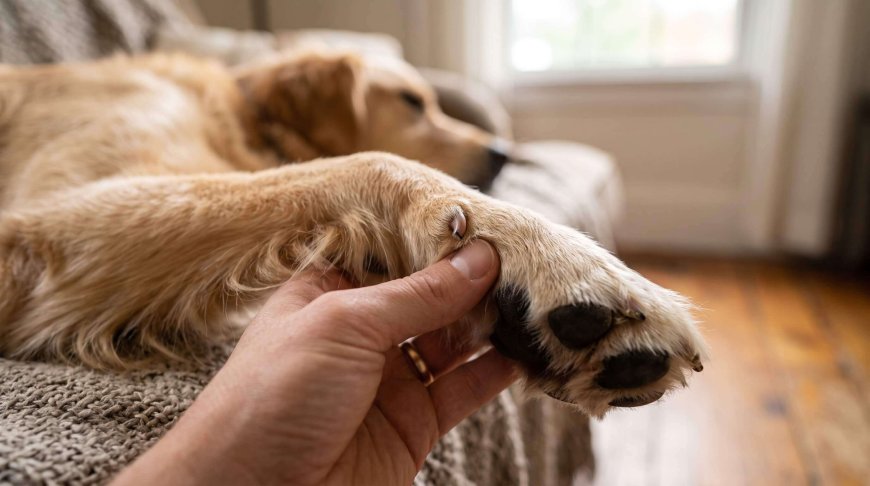
Most dog owners know the importance of trimming their dog's nails, but many forget about the dewclaws. Dewclaws are the small nails located on the inner side of a dog's front legs and, in some breeds, on the rear legs as well.
Because dewclaws often do not touch the ground, they do not wear down naturally like other nails. If left untrimmed, they can become overgrown, curl into the skin, and cause pain, injury, or infection.
The good news is that trimming dog dewclaws is simple when done correctly. This guide explains how to safely trim dog dewclaws at home while minimizing stress for both you and your pet.
What Are Dog Dewclaws?
Dewclaws are extra digits located slightly higher on the leg than the other toes.
They are commonly found on:
-
Front legs
-
Occasionally rear legs
-
Certain breeds more than others
Some dogs use their dewclaws for:
-
Gripping toys
-
Climbing
-
Stabilizing movement
Although useful, these nails require regular maintenance.
Why Dewclaw Trimming Is Important
Overgrown dewclaws can cause several problems.
Common Risks
-
Nail splitting
-
Broken nails
-
Curling into the skin
-
Pain while walking
-
Infection
Routine trimming helps prevent these issues and keeps your dog comfortable.
How Often Should Dewclaws Be Trimmed?
Most dogs need dewclaw maintenance every:
-
3 to 6 weeks
The exact schedule depends on:
-
Activity level
-
Nail growth rate
-
Breed
-
Age
Regular inspection helps determine when trimming is needed.
Signs Your Dog's Dewclaws Need Trimming
Look for these warning signs:
-
Nails appear excessively long
-
Dewclaws begin curling
-
Nails catch on blankets or carpets
-
Clicking sounds when walking
-
Visible overgrowth
Trimming before problems develop is always easier.
Tools You'll Need
Gather your supplies before starting.
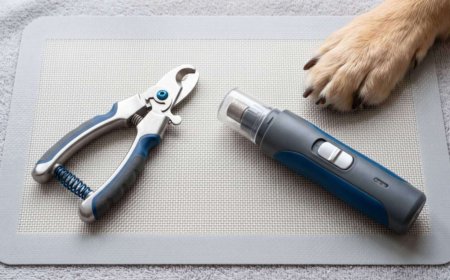
Dog Nail Clippers
Choose quality clippers designed for dogs.
Styptic Powder
Helpful if accidental bleeding occurs.
Treats
Positive reinforcement improves cooperation.
Good Lighting
Makes it easier to see the nail structure.
Towel (Optional)
Useful for dogs that move frequently.
Understanding the Quick
Before trimming any nail, it's important to identify the quick.
The quick contains:
-
Blood vessels
-
Nerves
Cutting into the quick can cause:
-
Bleeding
-
Pain
-
Fear of future nail trims
For dogs with light-colored nails, the quick is often visible as a pink area inside the nail.
Dark nails require extra caution.
Step-by-Step Guide to Trimming Dog Dewclaws
Step 1: Create a Calm Environment
Choose a quiet location free from distractions.
Help your dog relax by:
-
Speaking calmly
-
Offering treats
-
Moving slowly
A calm dog is easier and safer to groom.
Step 2: Inspect the Dewclaws
Carefully examine each dewclaw.
Check for:
-
Cracks
-
Splits
-
Infection
-
Excessive growth
If the nail appears damaged, consult your veterinarian before trimming.
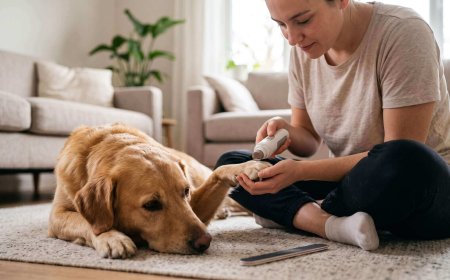
Step 3: Hold the Paw Securely
Gently support the paw without squeezing.
Avoid forcing the dog into uncomfortable positions.
Step 4: Identify the Safe Cutting Area
Trim only the curved tip of the nail.
For dark nails:
-
Remove very small amounts at a time
-
Check frequently
Taking multiple small cuts is safer than one large cut.
Step 5: Trim the Nail
Position the clipper slightly below the quick.
Cut carefully and confidently.
Avoid twisting or crushing the nail.
Step 6: Check Your Progress
After each trim:
-
Inspect the nail
-
Ensure no bleeding occurs
-
Reward your dog
Continue trimming gradually until the nail reaches a comfortable length.
Step 7: Reward Your Dog
Positive reinforcement is essential.
Offer:
-
Treats
-
Praise
-
Affection
This helps create positive grooming experiences.
What If You Cut the Quick?
Even experienced owners occasionally trim too far.
If bleeding occurs:
Stay Calm
Most cases are minor.
Apply Styptic Powder
This usually stops bleeding quickly.
Apply Gentle Pressure
Use a clean cloth if necessary.
Monitor the Nail
Contact your veterinarian if bleeding continues.
Common Dewclaw Trimming Mistakes
Avoid these common errors.
Taking Off Too Much at Once
Small trims are safer.
Using Dull Clippers
Dull blades may crush rather than cut.
Ignoring Dewclaws Entirely
Many owners forget they exist until problems develop.
Rushing the Process
Patience improves safety and reduces stress.
Tips for Nervous Dogs
Some dogs dislike nail trimming.
Try these strategies:
Use Treats
Reward calm behavior.
Trim One Nail at a Time
Short sessions are often more successful.
Practice Handling Paws
Regular handling builds confidence.
Stay Relaxed
Dogs often mirror their owner's emotions.
Frequently Asked Questions
Do All Dogs Have Dewclaws?
Most dogs have front dewclaws, while some breeds also have rear dewclaws.
How Short Should Dewclaws Be?
Trim enough to prevent curling and overgrowth while avoiding the quick.
Can Dewclaws Break Easily?
Yes. Overgrown dewclaws are more likely to snag and break.
What Happens If Dewclaws Are Never Trimmed?
They may curl into the skin, causing pain, injury, and infection.
Final Thoughts
Regular dewclaw maintenance is an important part of dog grooming. Because dewclaws often do not wear down naturally, they require periodic trimming to prevent painful overgrowth and injury.
By using proper tools, trimming carefully, and rewarding your dog throughout the process, you can safely maintain healthy dewclaws at home and avoid many common nail-related problems.
Related Articles