

How to Groom an Aggressive Dog at Home Safely
Struggling to groom an aggressive dog? Learn safe techniques and calming tips to groom your dog at home without stress.
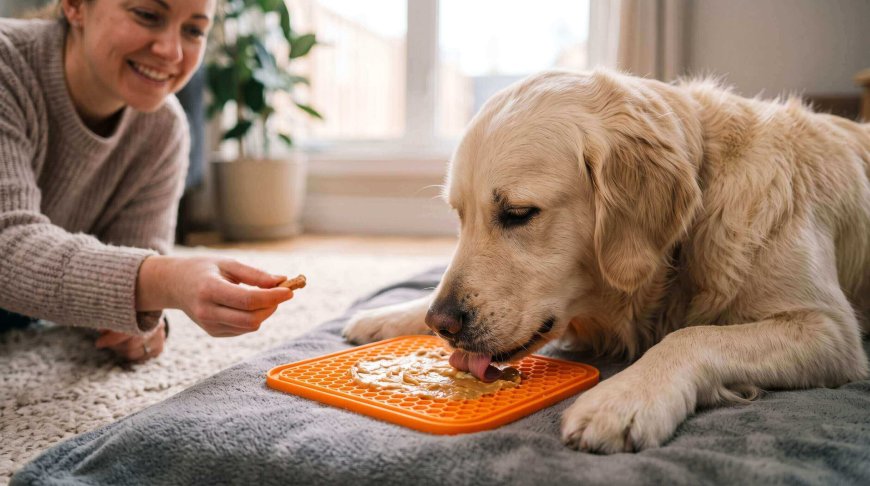
How to Groom an Aggressive Dog at Home Safely (Step-by-Step Guide)
Grooming an aggressive dog can feel stressful and even dangerous if not handled correctly. Dogs may show aggression during grooming due to fear, pain, anxiety, or past negative experiences. However, with the right approach, tools, and patience, you can safely groom your dog at home without causing harm to yourself or your pet.
This guide will show you how to groom an aggressive dog safely using calm techniques that reduce stress and build trust over time.
Why Dogs Become Aggressive During Grooming
Understanding the cause of aggression is the first step to solving it.
Common reasons include:
-
Fear of unfamiliar tools or sounds
-
Pain from mats, infections, or sensitive areas
-
Previous bad grooming experiences
-
Anxiety from being restrained
-
Lack of proper training or socialization
Dogs are not aggressive without reason. Most of the time, they are reacting to discomfort or fear.
Safety First: What You Need Before Grooming
Before starting, prepare the right tools and environment.
Essential items:
-
Non-slip mat or stable surface
-
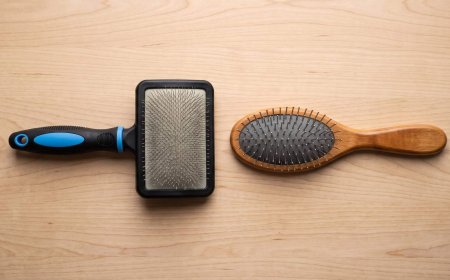
Grooming brush suitable for your dog’s coat
-
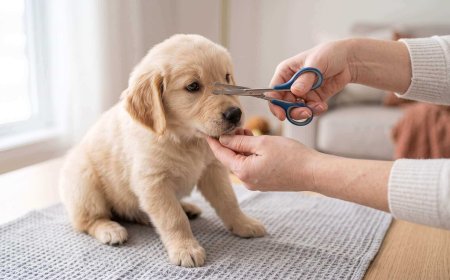
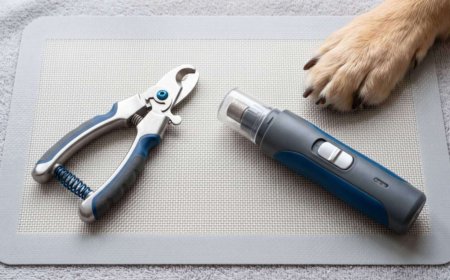
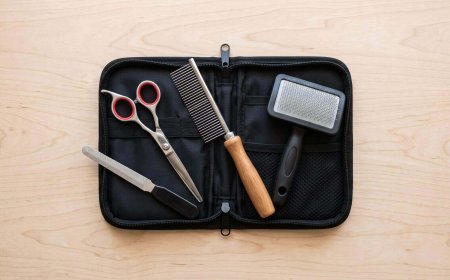
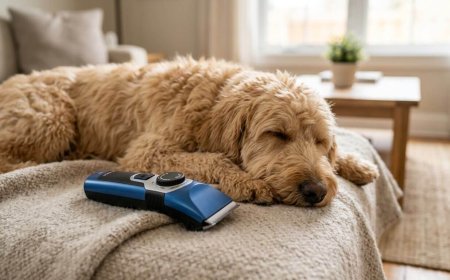
Dog-safe clippers or scissors
-
Treats for positive reinforcement
-
Optional: dog muzzle (if necessary for safety)
Make sure the grooming area is quiet and free from distractions.
Step-by-Step Guide to Grooming an Aggressive Dog
Follow these steps carefully to avoid triggering your dog.
1. Start With Calm Energy
Dogs can sense your emotions. If you are nervous, your dog will be too.
-
Speak in a calm voice
-
Move slowly
-
Avoid sudden actions
Let your dog relax before you begin grooming.
2. Introduce Grooming Tools Slowly
Do not immediately start grooming.
Instead:
-
Let your dog sniff the brush or clippers
-
Turn tools on from a distance (for noise exposure)
-
Reward calm behavior with treats
This helps your dog get used to the tools without fear.
3. Use Short Grooming Sessions
Avoid long grooming sessions at the beginning.
-
Start with 5–10 minutes
-
Focus on one area at a time
-
Stop before your dog becomes stressed
Short sessions build tolerance over time.
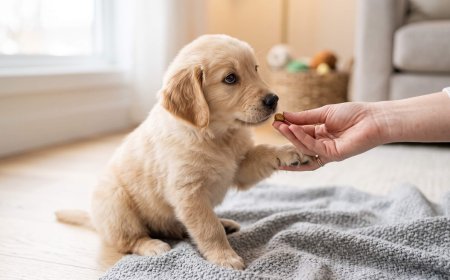
4. Reward Positive Behavior
Positive reinforcement is key.
-
Give treats when your dog stays calm
-
Praise gentle behavior
-
Stop if your dog becomes aggressive
This teaches your dog that grooming leads to rewards.
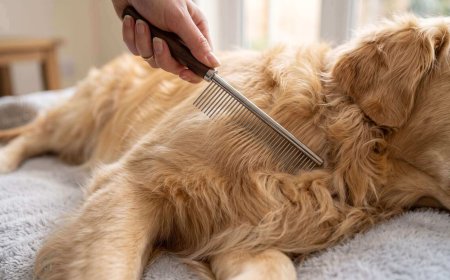
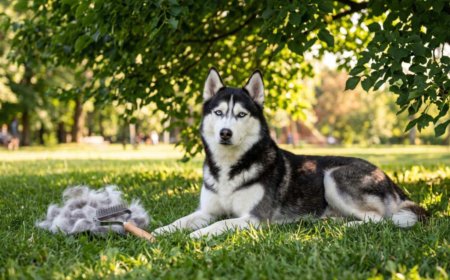
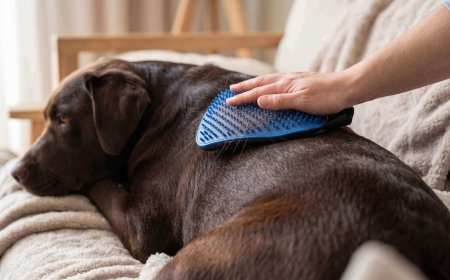
5. Brush Gently and Slowly
Start with the least sensitive areas such as the back.
-
Hold the fur near the skin to avoid pulling
-
Brush slowly
-
Avoid painful areas until your dog is relaxed
If your dog has matted fur, handle it carefully to avoid pain.
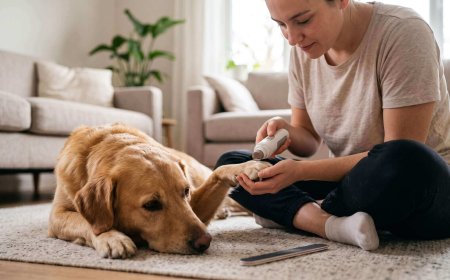
6. Be Careful With Sensitive Areas
Areas like ears, paws, and tail are more sensitive.
-
Approach slowly
-
Use minimal pressure
-
Take breaks if needed
Never force your dog into uncomfortable positions.
7. Use a Muzzle Only If Necessary
If your dog shows signs of biting, a muzzle may be needed for safety.
However:
-
Use it as a temporary tool
-
Do not rely on it long-term
-
Continue training your dog to reduce aggression
Safety should always come first.
Signs You Should Stop Grooming
Pay attention to warning signs.
Stop grooming if your dog:
-
Growls or snaps
-
Shows teeth
-
Tries to bite
-
Becomes extremely anxious
Forcing grooming can make aggression worse over time.
When to Seek Professional Help
Sometimes grooming at home is not safe.
Consider a professional groomer if:
-
Your dog has severe aggression
-
You are unable to control your dog safely
-
The grooming process becomes dangerous
Professional groomers have experience handling difficult dogs safely.
Tips to Reduce Grooming Aggression Over Time
Improvement takes consistency.
To reduce aggression:
-
Groom regularly to build familiarity
-
Keep sessions short and positive
-
Avoid punishment
-
Use rewards consistently
-
Build trust with your dog daily
With time, many dogs become calmer during grooming.
Final Thoughts
Learning how to groom an aggressive dog at home safely requires patience, understanding, and the right techniques. Most aggressive behavior during grooming comes from fear or discomfort, not bad behavior.
By using calm handling, short sessions, and positive reinforcement, you can gradually make grooming a safe and stress-free experience for both you and your dog.
How to Groom a Dog at Home (Step-by-Step Beginner Guide)