



How to Keep a Dog Calm During a Bath (Vet-Approved Routine)
Learn how to keep a dog calm during a bath with proven techniques, preparation tips, and stress-reducing strategies for a better grooming experience.
How to Keep a Dog Calm During a Bath (Vet-Approved Routine)
Meta Description: Learn how to keep a dog calm during a bath with proven techniques, preparation tips, and stress-reducing strategies that make bath time easier for both you and your pet.
Introduction
Many dog owners struggle with bath time. Some dogs try to escape, shake water everywhere, bark, or become anxious as soon as they hear running water. While bathing is an important part of grooming and hygiene, it doesn't have to be a stressful experience.
The good news is that most dogs can learn to tolerate and even enjoy baths with the right approach. Understanding why dogs dislike baths and following a calm, positive routine can make a huge difference.
This guide explains how to keep a dog calm during a bath using safe, veterinarian-approved techniques that help reduce stress and create a more positive grooming experience.
Why Dogs Become Anxious During Baths
Before solving the problem, it's important to understand why some dogs fear bath time.
Common reasons include:
-
Fear of water
-
Slippery surfaces
-
Loud noises
-
Previous bad experiences
-
Unfamiliar scents
-
Feeling trapped
Some dogs are naturally more sensitive than others, especially puppies, rescue dogs, and anxious breeds.
Prepare Before Bath Time
Proper preparation can significantly reduce stress.
Gather Supplies First
Before bringing your dog to the bathing area, have everything ready.
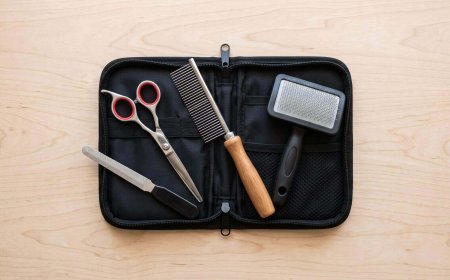
You'll need:
-
Dog shampoo
-
Towels
-
Brush
-
Treats
-
Non-slip mat
-
Dog dryer or towels
Having supplies nearby prevents unnecessary delays.
Exercise Your Dog First
A short walk or play session before bathing can help burn off excess energy.
Benefits include:
-
Reduced anxiety
-
Better cooperation
-
Increased relaxation
A tired dog is often easier to bathe.
Create a Calm Environment
The bathing environment plays a major role in your dog's comfort.
Use a Non-Slip Surface
Many dogs become nervous because they feel unstable.
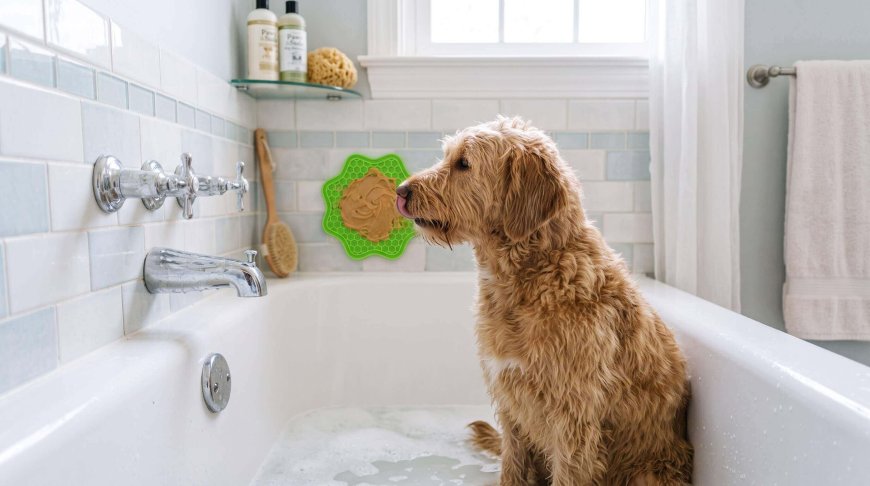
Place a rubber bath mat or towel in the tub to provide traction.
This simple step can immediately improve confidence.
Use Warm Water
Water that is too cold or too hot can make dogs uncomfortable.
Lukewarm water is usually the most comfortable option.
Reduce Noise
Keep the environment as quiet as possible.
Avoid:
-
Loud music
-
Shouting
-
Sudden noises
A calm setting helps your dog feel safe.
Introduce Bath Time Gradually
If your dog dislikes baths, don't rush.
Let Your Dog Explore
Allow your dog to inspect the bathing area before turning on the water.
Reward calm behavior with praise and treats.
Start Slowly
Rather than soaking your dog immediately:
-
Wet the paws first
-
Move gradually up the legs
-
Work slowly toward the body
This helps prevent overwhelming your dog.
Use Positive Reinforcement
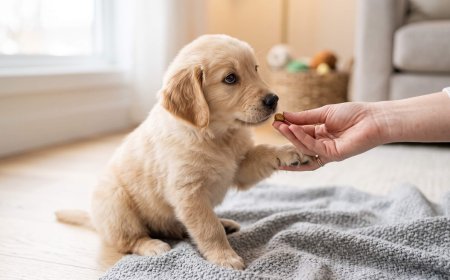
Positive reinforcement is one of the most effective training methods.
Reward Calm Behavior
Offer treats and praise when your dog remains relaxed.
Examples:
-
Standing calmly
-
Entering the bath willingly
-
Allowing handling
Dogs quickly learn to associate bath time with rewards.
Avoid Punishment
Never yell at or punish your dog during bathing.
Punishment may increase fear and make future baths more difficult.
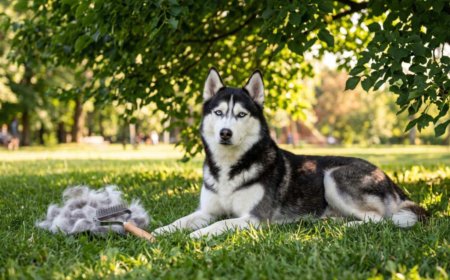
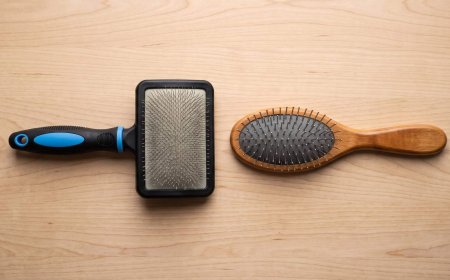
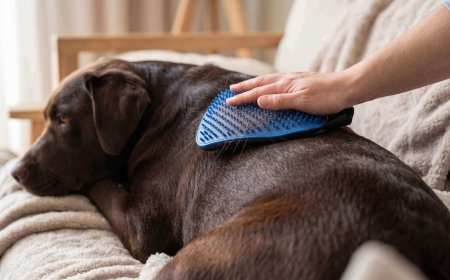
Brush Before Bathing
Brushing before a bath helps remove:
-
Loose fur
-
Dirt
-
Tangles
This makes bathing more comfortable and effective.
It also helps prevent mats from becoming worse when wet.
Choose the Right Shampoo
Using the correct shampoo can improve the bathing experience.
Look for:
-
Dog-specific formulas
-
Gentle ingredients
-
Sensitive skin options
Avoid human shampoos, which may irritate your dog's skin.
Keep Baths Short
Long baths can increase stress.
Focus on:
-
Wetting the coat
-
Applying shampoo
-
Rinsing thoroughly
-
Drying
Most baths can be completed within 10–15 minutes.
Dry Your Dog Gently
Many dogs dislike the drying process even more than the bath itself.
Towel Dry First
Use a soft towel to remove excess water.
Introduce Dryers Slowly
If using a dog dryer:
-
Start on a low setting
-
Keep distance from the dog
-
Reward calm behavior
Never force a nervous dog to tolerate loud drying equipment immediately.
Signs Your Dog Is Becoming Stressed
Watch for signs of anxiety.
These may include:
-
Trembling
-
Panting excessively
-
Trying to escape
-
Tail tucked between legs
-
Excessive licking
-
Whining
If stress becomes severe, take a short break and try again later.
Common Bath-Time Mistakes
Avoid these common errors.
Rushing the Process
Fast movements can increase anxiety.
Using Hot Water
Hot water may cause discomfort.
Skipping Rewards
Positive reinforcement encourages better behavior.
Bathing Too Frequently
Excessive bathing can dry the skin and coat.
Forcing a Fearful Dog
Patience is more effective than force.
Frequently Asked Questions
How Often Should I Bathe My Dog?
Most dogs benefit from bathing every 4–8 weeks, depending on coat type and lifestyle.
Why Does My Dog Shake During Baths?
Shaking is often a response to stress, discomfort, or simply being wet.
Can Treats Help During Bath Time?
Yes. Treats can create positive associations and improve cooperation.
What If My Dog Hates Water?
Introduce water gradually and reward calm behavior. Consistent positive experiences often improve confidence over time.
Final Thoughts
Learning how to keep a dog calm during a bath can transform grooming from a stressful event into a manageable routine. By preparing ahead of time, creating a comfortable environment, using positive reinforcement, and moving at your dog's pace, you can help your pet feel more relaxed and secure.
Patience and consistency are key. Over time, many dogs become significantly more comfortable with bath time when they learn that the experience is safe and rewarding.
Related Articles