








How to Protect Dog Paws from Hot Pavement and Ice
Learn how to protect your dog's paws from hot pavement in summer and ice, snow, and salt in winter. Discover simple paw care tips to keep your dog safe year-round.

How to Protect Dog Paws from Hot Pavement and Ice
Your dog's paws are designed to handle many outdoor surfaces, but extreme temperatures can still cause injury and discomfort. During summer, hot pavement can burn paw pads, while winter brings ice, snow, and de-icing chemicals that may irritate or damage sensitive paws.
Knowing how to protect your dog's paws throughout the year can help prevent injuries and keep your pet comfortable during walks.
This guide explains how hot pavement and winter conditions affect dog paws and the best ways to keep them safe.
Why Paw Protection Matters
A dog's paw pads provide:
- Traction
- Shock absorption
- Protection from rough surfaces
- Temperature insulation
Although paw pads are durable, they can still be injured by extreme heat, freezing temperatures, sharp ice, and chemical irritants.
Dangers of Hot Pavement
During warm weather, pavement temperatures can become much hotter than the surrounding air.
For example:
- Air temperature: 85°F (29°C)
- Pavement temperature: Over 130°F (54°C)
At these temperatures, paw pads can suffer burns within minutes.
Signs of Burned Paw Pads
Watch for:
- Limping
- Excessive licking of paws
- Redness
- Blisters
- Cracked paw pads
- Refusal to walk
If you notice these symptoms, move your dog to a cool area and contact your veterinarian if the injury appears severe.
How to Protect Dog Paws from Hot Pavement
1. Walk During Cooler Hours
The safest times for walks are:
- Early morning
- Late evening
Avoid walking during the hottest part of the day.
2. Perform the Pavement Test
Place the back of your hand on the pavement for seven seconds.
If it's too hot for your hand, it's too hot for your dog's paws.
3. Choose Grass or Shaded Paths
Whenever possible:
- Walk on grass
- Use shaded sidewalks
- Choose dirt trails
These surfaces stay cooler than asphalt and concrete.
4. Use Protective Dog Boots
Dog boots create a barrier between the paws and hot surfaces.
Benefits include:
- Protection from burns
- Reduced irritation
- Improved comfort
Some dogs need time to adjust to wearing boots.
5. Apply Paw Balm
Paw balms can help moisturize and protect paw pads.
They may help:
- Reduce dryness
- Prevent cracking
- Support paw pad health
Choose products designed specifically for dogs.
Winter Paw Hazards
Cold weather creates different challenges.
Common winter dangers include:
- Ice
- Snow
- Road salt
- Chemical de-icers
- Frozen surfaces
These conditions can damage sensitive paw pads.
How Ice and Snow Affect Dog Paws
Snow can collect between paw pads and form painful ice balls.
This may cause:
- Irritation
- Cracking
- Difficulty walking
Dogs may also lick their paws after contact with road salt, which can cause digestive upset.
How to Protect Dog Paws from Ice and Snow
1. Use Dog Boots
Boots are one of the best ways to protect paws during winter.
They help prevent:
- Ice buildup
- Salt exposure
- Cold-weather irritation
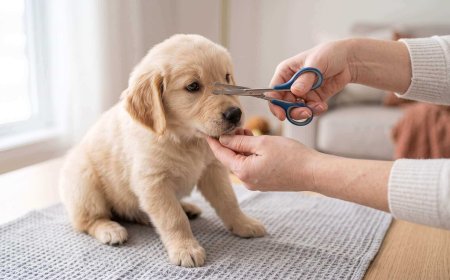
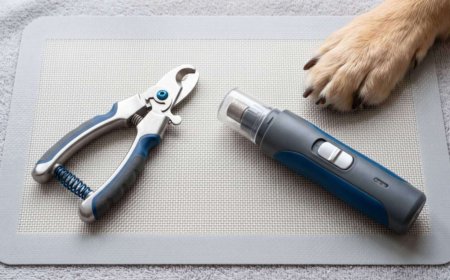
2. Trim Excess Paw Hair
Long hair between paw pads can trap snow and ice.
Regular trimming helps reduce buildup.
Be careful not to trim too close to the skin.
3. Apply Paw Wax or Paw Balm
Protective balms can create a barrier against:
- Ice
- Salt
- Cold surfaces
Many dog owners find this useful for winter walks.
4. Wipe Paws After Walks
After every winter walk:
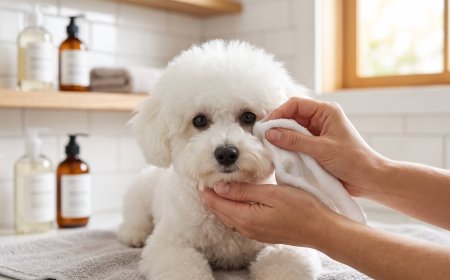
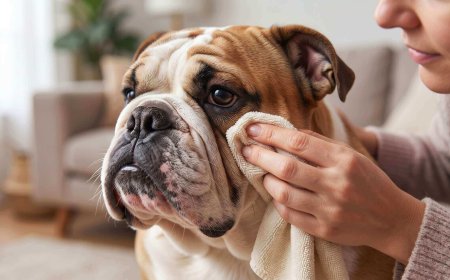
- Wipe paws with a damp cloth
- Remove salt and debris
- Dry the paws thoroughly
This simple habit helps prevent irritation.
5. Limit Exposure During Extreme Weather
Shorter walks may be necessary during:
- Severe cold
- Ice storms
- Dangerous winter conditions
Your dog's safety should always come first.
Signs of Paw Damage
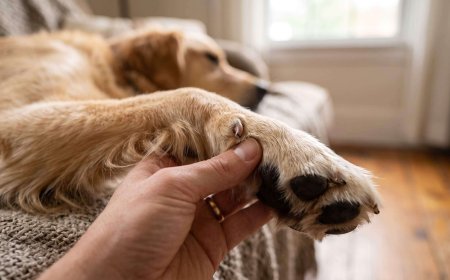
Check your dog's paws regularly.
Watch for:
- Cracks
- Bleeding
- Swelling
- Redness
- Excessive licking
- Limping
Early detection can prevent more serious problems.
How to Keep Paw Pads Healthy Year-Round
Healthy paws are better able to handle environmental stress.
Helpful habits include:
Regular Paw Inspections
Look for cuts, debris, or irritation after walks.
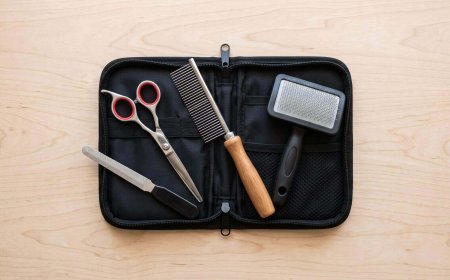
Proper Grooming
Trim excess fur around the paws when needed.
Balanced Nutrition
Healthy skin contributes to healthier paw pads.
Hydration
Proper hydration supports skin and paw health.
Common Mistakes Dog Owners Make
Avoid these common mistakes:
- Walking on extremely hot pavement
- Ignoring winter salt exposure
- Skipping paw inspections
- Using products not designed for dogs
- Leaving damaged paws untreated
Preventive care is always easier than treating injuries.
Final Thoughts
Learning how to protect dog paws from hot pavement and ice is an important part of responsible pet care.
By avoiding extreme surfaces, using protective gear when necessary, and checking your dog's paws regularly, you can help prevent painful injuries throughout the year.
Healthy paws allow your dog to enjoy walks, playtime, and outdoor adventures safely in every season.