





Best Brush for Golden Retriever Shedding (Top Grooming Tools Guide)
Looking for the best brush for Golden Retriever shedding? Discover the top grooming tools to remove loose fur, reduce shedding, and maintain a healthy coat.
Best Brush for Golden Retriever Shedding (Top Grooming Tools)
Meta Description: Discover the best brush for Golden Retriever shedding. Learn which grooming tools remove loose undercoat, reduce shedding, and keep your Golden Retriever's coat healthy.
Introduction
Golden Retrievers are famous for their beautiful, thick coats, but they are also known for shedding a lot of fur throughout the year. If you own a Golden Retriever, you've probably found hair on your furniture, clothes, carpets, and even in places you didn't expect.
While shedding is completely normal, using the right brush can significantly reduce loose hair and keep your dog's coat healthy. The best brush for Golden Retriever shedding removes dead undercoat hair without damaging the outer coat or irritating the skin.
In this guide, we'll explore the best types of brushes for Golden Retrievers, how to use them correctly, and tips to manage shedding more effectively.
Why Do Golden Retrievers Shed So Much?
Golden Retrievers have a double coat consisting of:
-
A water-resistant outer coat
-
A thick insulating undercoat
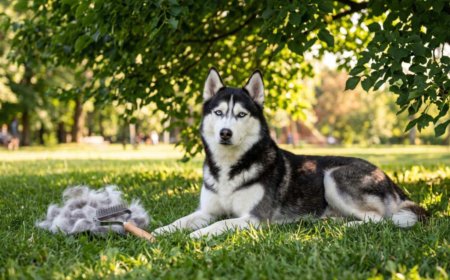
The undercoat helps regulate body temperature throughout the year. As seasons change, Golden Retrievers naturally shed old undercoat hair to make room for new growth.
Most Golden Retrievers experience:
-
Moderate shedding year-round
-
Heavy shedding during spring
-
Heavy shedding during fall
This process is normal and healthy.
What Makes a Good Brush for Golden Retrievers?
The best grooming brush should:
-
Remove loose undercoat fur
-
Prevent mats and tangles
-
Be comfortable for the dog
-
Avoid damaging healthy hair
-
Work effectively on thick double coats
Not all brushes are designed for heavy-shedding breeds, so choosing the right tool matters.
Best Types of Brushes for Golden Retriever Shedding
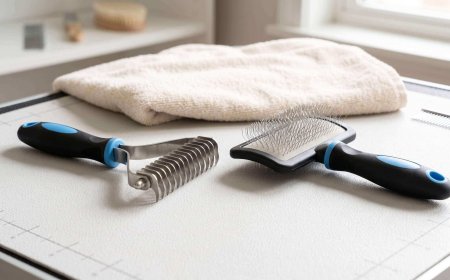
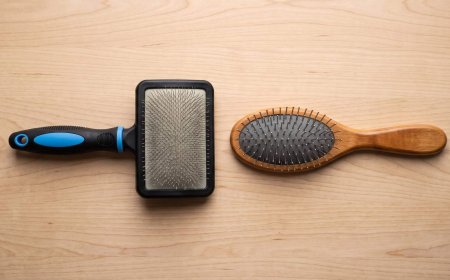
1. Slicker Brush
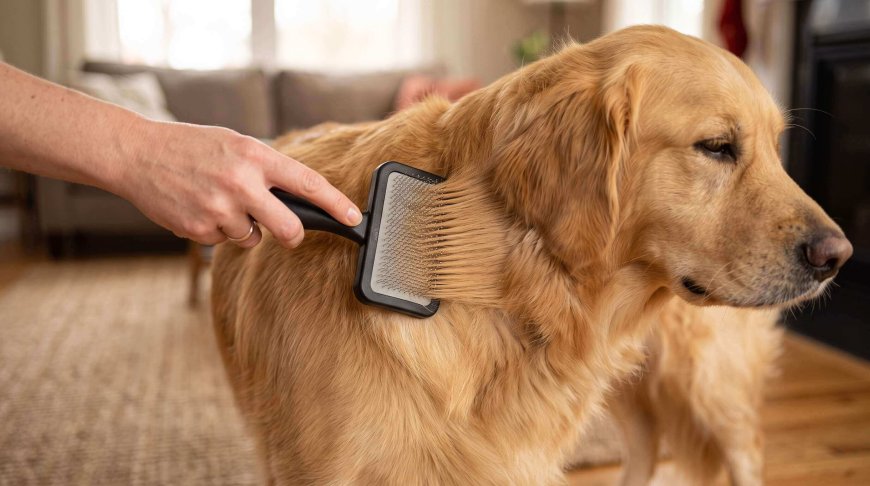
A slicker brush is one of the most useful grooming tools for Golden Retrievers.
Benefits
-
Removes loose fur
-
Helps prevent tangles
-
Distributes natural oils
-
Smooths the outer coat
Best For
-
Weekly maintenance
-
Light shedding control
-
Everyday grooming
Most Golden Retriever owners should have a slicker brush in their grooming kit.
2. Undercoat Rake
An undercoat rake is specifically designed to reach deep into thick coats.
Benefits
-
Removes loose undercoat hair
-
Reduces seasonal shedding
-
Prevents fur buildup
Best For
-
Spring shedding season
-
Fall shedding season
-
Heavy shedders
Many groomers consider an undercoat rake essential for double-coated breeds.
3. Deshedding Tool
Deshedding tools are designed to remove large amounts of loose undercoat fur.
Benefits
-
Removes significant amounts of dead hair
-
Reduces household shedding
-
Helps during coat-blowing seasons
Best For
-
Heavy seasonal shedding
-
Dogs with thick undercoats
Use these tools carefully and avoid excessive brushing.
4. Metal Comb
A metal comb is often overlooked but highly useful.
Benefits
-
Detects hidden tangles
-
Reaches difficult areas
-
Finishes grooming sessions
Best For
-
Behind the ears
-
Tail feathering
-
Leg fur
A comb works best when paired with a slicker brush.
How Often Should You Brush a Golden Retriever?
Regular brushing keeps shedding under control.
Normal Shedding
Brush:
-
2–3 times per week
Heavy Shedding Seasons
Brush:
-
Daily if possible
Consistent brushing prevents loose fur from accumulating around your home.
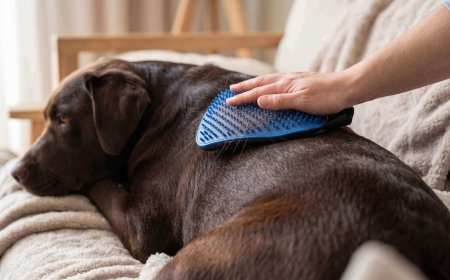
Proper Brushing Technique
Using the right brush is only part of the process.
Step 1: Start at the Neck
Work gradually toward the tail.
Step 2: Brush With the Coat
Always brush in the direction of hair growth.
Step 3: Focus on High-Shedding Areas
Pay extra attention to:
-
Chest
-
Tail
-
Hindquarters
-
Neck
-
Feathering
Step 4: Use an Undercoat Tool
During shedding season, use an undercoat rake after brushing.
Step 5: Finish With a Comb
Check for tangles and missed areas.
Common Grooming Mistakes
Avoid these common mistakes when grooming a Golden Retriever.
Brushing Too Hard
Aggressive brushing may irritate the skin.
Skipping Regular Grooming
Loose hair builds up quickly in double-coated breeds.
Using the Wrong Brush
Short-haired dog brushes often fail to remove Golden Retriever undercoat fur.
Shaving the Coat
Golden Retrievers should not be shaved unless recommended by a veterinarian for medical reasons.
Their coat helps regulate body temperature and protect the skin.
Additional Tips to Reduce Shedding
Brushing is important, but other factors matter too.
Feed a High-Quality Diet
Proper nutrition supports healthy skin and coat growth.
Keep Your Dog Hydrated
Hydration helps maintain skin health.
Bathe Regularly
Bathing every 6–8 weeks helps remove loose fur.
Maintain a Grooming Schedule
Consistency is the key to shedding control.
Frequently Asked Questions
What Is the Best Brush for Golden Retriever Shedding?
Most owners benefit from using both a slicker brush and an undercoat rake.
How Often Should I Brush My Golden Retriever?
At least 2–3 times weekly, with daily brushing during heavy shedding periods.
Can Brushing Stop Shedding Completely?
No. Shedding is natural, but regular brushing can significantly reduce loose hair around the home.
Should I Shave My Golden Retriever to Reduce Shedding?
No. Shaving may damage the coat and interfere with its natural protective functions.
Final Thoughts
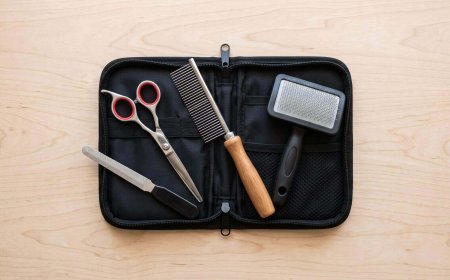
Finding the best brush for Golden Retriever shedding can make a huge difference in your grooming routine. A quality slicker brush, undercoat rake, and metal comb can help remove loose fur, reduce shedding around the home, and keep your dog's coat healthy year-round.
Regular grooming not only improves appearance but also strengthens the bond between you and your dog while helping you identify potential skin or coat issues early.
Related Articles