
Best Dog Hair Dryer for Home Use (Quiet & Fast Drying)
Looking for the best dog hair dryer for home use? Learn what features matter most, how to dry your dog safely, and which dryer types work best for different coat types.
Best Dog Hair Dryer for Home Use (Quiet & Fast Drying)
Drying your dog after a bath can be a challenge, especially if your dog has a thick coat or dislikes loud noises. While towels help remove excess water, they often aren't enough to fully dry the coat, particularly for breeds with dense fur.
A quality dog hair dryer can make grooming easier by reducing drying time and helping prevent skin problems caused by trapped moisture.
In this guide, you'll learn what to look for in a dog hair dryer and how to choose the best option for home use.
Why Use a Dog Hair Dryer?
Many dog owners wonder whether a regular human hair dryer is sufficient.
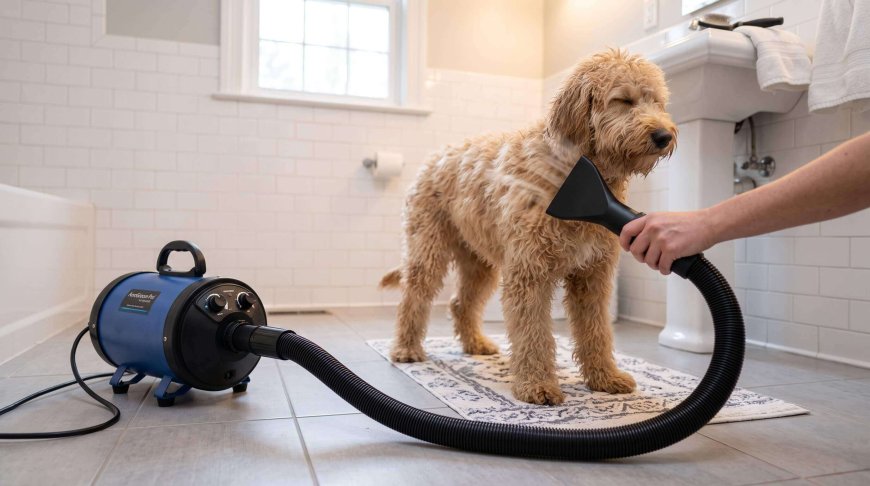
While some human dryers can work on low settings, dog-specific dryers offer several advantages:
- Faster drying
- Better airflow
- Safer temperature control
- Reduced risk of overheating
- More effective for thick coats
Proper drying is an important part of a complete grooming routine.
Benefits of Using a Dog Hair Dryer
Using a dog dryer regularly can help:
Reduce Drying Time
Thick-coated breeds can take a long time to air dry. A dog dryer significantly speeds up the process.
Prevent Skin Issues
Moisture trapped beneath the coat may contribute to irritation and unpleasant odors.
Improve Coat Appearance
Proper drying helps keep the coat fluffy, clean, and healthy-looking.
Remove Loose Fur
Many dog dryers help blow out loose hair during grooming sessions.
Features to Look for in a Dog Hair Dryer
Not all dryers are the same.
Here are the most important features to consider.
1. Low Noise Operation
Many dogs are sensitive to loud sounds.
A quieter dryer can:
- Reduce anxiety
- Make grooming easier
- Help nervous dogs stay calm
This feature is especially important for puppies and anxious pets.
2. Adjustable Airflow
Different coat types require different drying power.
Adjustable airflow allows you to:
- Dry sensitive areas gently
- Increase power for thick coats
- Improve overall comfort
3. Temperature Control
Excessive heat can damage a dog's skin and coat.
Look for dryers with:
- Multiple heat settings
- Low-temperature options
- Consistent airflow
Always prioritize safety over speed.
4. Flexible Hose and Attachments
Useful attachments help direct airflow where needed.
They can improve drying efficiency around:
- Legs
- Tail
- Belly
- Neck
5. Portable Design
For home use, a lightweight and portable dryer is often the most practical option.
Easy storage is an added bonus.
Types of Dog Hair Dryers
There are several types available.
High-Velocity Dryers
Best for:
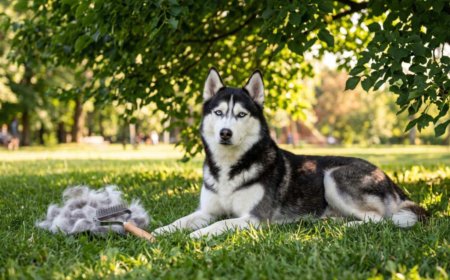
- Huskies
- Golden Retrievers
- German Shepherds
- Other heavy-shedding breeds
Benefits:
- Powerful airflow
- Faster drying
- Helps remove loose undercoat fur
These dryers rely mostly on airflow rather than high heat.
Stand Dryers
Best for:
- Professional grooming
- Long grooming sessions
Advantages:
- Hands-free operation
- Consistent airflow
Most home owners do not need this type.
Portable Handheld Dryers
Best for:
- Small dogs
- Light grooming sessions
- Quick touch-ups
They are compact and easy to store.
Which Dogs Benefit Most from a Dog Dryer?
Dog dryers are especially useful for:
Golden Retrievers
Their dense double coats can hold moisture for hours.
German Shepherds
Proper drying helps manage shedding and coat health.
Huskies
A powerful dryer can remove large amounts of loose undercoat fur.
Poodles
Drying while brushing helps prevent mats and tangles.
Shih Tzus
Regular drying supports coat maintenance and styling.
How to Dry a Dog Safely
Follow these simple steps:
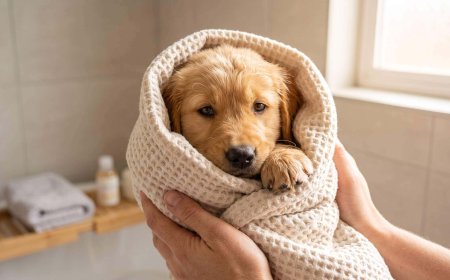
Step 1: Remove Excess Water
Use a towel first to absorb as much water as possible.
Step 2: Start on Low Settings
Introduce airflow gradually to avoid startling your dog.
Step 3: Keep the Dryer Moving
Avoid focusing airflow on one area for too long.
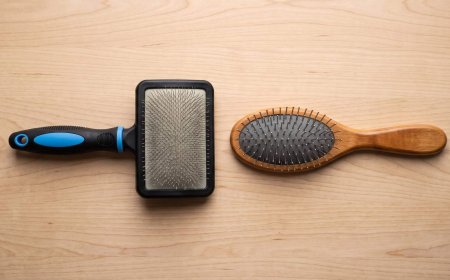
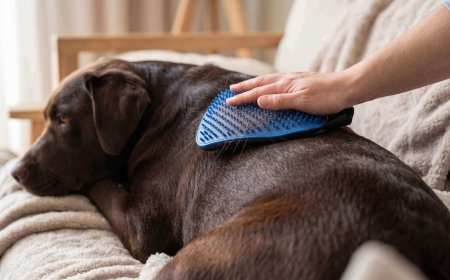
Step 4: Brush While Drying
Brushing helps:
- Prevent tangles
- Remove loose fur
- Improve coat appearance
Step 5: Ensure the Coat Is Fully Dry
Check dense areas carefully, especially around:
- Neck
- Underarms
- Belly
- Tail
Common Mistakes to Avoid
Avoid these grooming mistakes:
- Using excessive heat
- Holding the dryer too close
- Skipping towel drying
- Drying tangled fur
- Rushing the process
Patience leads to better results.
How Often Should You Use a Dog Dryer?
Most dogs only need drying after:
- Baths
- Swimming
- Heavy rain exposure
Frequency depends on your grooming schedule.
See our article on How Often Should You Bathe a Dog for additional guidance.
Final Thoughts
The best dog hair dryer for home use should be quiet, safe, and effective. Features such as adjustable airflow, low noise levels, and temperature control make grooming easier for both dogs and owners.
Whether you have a Husky, Golden Retriever, German Shepherd, Poodle, or Shih Tzu, the right dryer can reduce drying time, improve coat health, and make home grooming much more enjoyable.
Investing in proper grooming equipment helps keep your dog clean, comfortable, and looking their best all year long.
- How to Groom a Dog at Home
- How Often Should You Bathe a Dog
- Best Deshedding Tools for Heavy Shedders
- How to Groom a Husky at Home
- How to Groom a Golden Retriever at Home
- How to Groom a Poodle at Home
- How to Groom a Shih Tzu at Home