













How to Cut Overgrown Dog Nails Without Making Them Bleed
Learn how to safely trim overgrown dog nails, avoid cutting the quick, and keep your dog comfortable with proper nail care and grooming techniques.
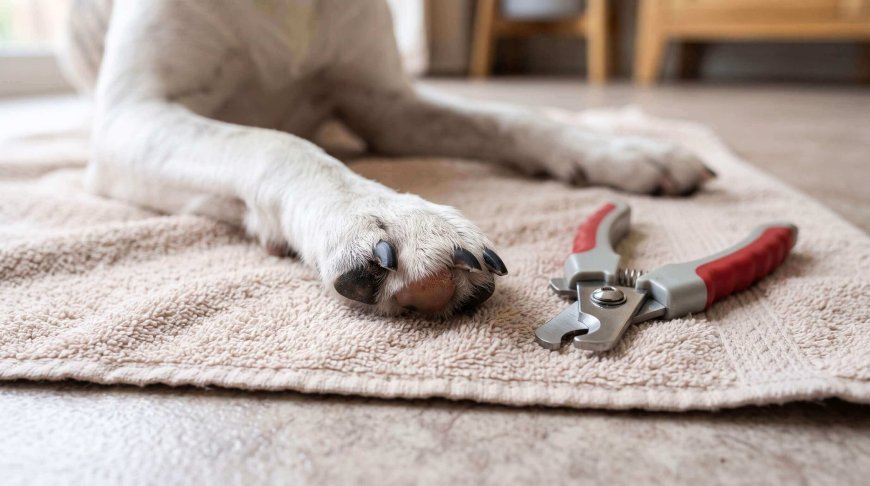
How to Cut Overgrown Dog Nails Without Making Them Bleed
Overgrown nails are a common problem for dogs, especially those that spend most of their time indoors. Long nails can make walking uncomfortable, affect posture, and even lead to injuries if left untreated.
Many dog owners worry about trimming overgrown nails because they fear making the nail bleed. Fortunately, with patience and proper technique, you can safely manage long nails while reducing the risk of injury.
This guide explains how to trim overgrown dog nails safely and what to do if an accident happens.
Why Overgrown Dog Nails Are a Problem
When nails become too long, they can:
- Cause discomfort while walking
- Change the dog's natural posture
- Increase joint stress
- Split or crack
- Get caught on surfaces
Regular nail maintenance helps prevent these issues and keeps your dog comfortable.
Understanding the Quick
Inside every dog nail is a blood vessel and nerve called the quick.
Cutting into the quick can cause:
- Pain
- Bleeding
- Fear of future nail trims
The goal is to trim the nail gradually without reaching this sensitive area.
Signs Your Dog's Nails Are Too Long
Your dog's nails may be overgrown if:
- You hear clicking on hard floors
- Nails touch the ground when standing
- Nails begin to curve
- Walking appears uncomfortable
Routine inspections help identify nail problems early.
Tools You Need
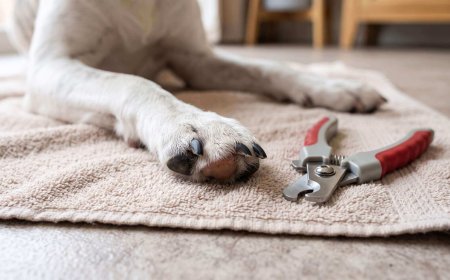
Before trimming, gather:
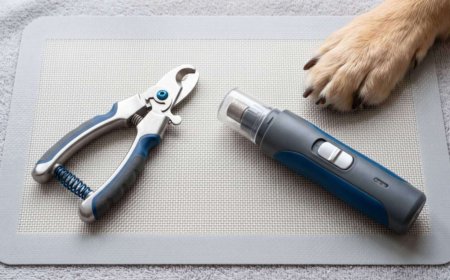
- Dog nail clippers
- Nail grinder (optional)
- Styptic powder or cornstarch
- Treats
- Good lighting
Using sharp, high-quality tools makes trimming safer and easier.
How to Safely Trim Overgrown Dog Nails
Step 1: Keep Your Dog Calm
Choose a quiet location and allow your dog to relax.
Helpful tips:
- Use treats
- Speak calmly
- Work slowly
A calm dog makes nail trimming much easier.
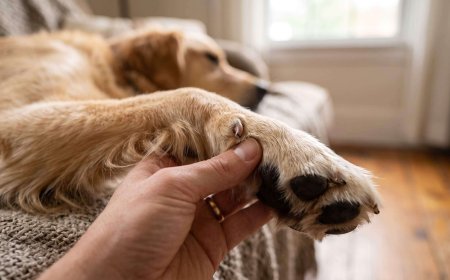
Step 2: Examine the Nails Carefully
For light-colored nails, the quick is often visible as a pink area inside the nail.
For black nails:
- Trim very small amounts
- Check the nail after each cut
- Proceed slowly
Patience is especially important with dark nails.
Step 3: Trim Small Amounts
Rather than removing large sections, trim only a small portion of the nail at a time.
This approach:
- Reduces the risk of bleeding
- Helps the quick gradually recede over time
- Makes the process less stressful
When dealing with severely overgrown nails, gradual trimming over several weeks is often safer than trying to shorten them dramatically in one session.
Step 4: Watch for Changes in the Nail
As you trim, the center of the nail may begin to look different.
If you notice:
- A darker center
- A small dot appearing
Stop trimming and move to the next nail.
These signs often indicate that you are approaching the quick.
Step 5: Reward Your Dog
After each paw:
- Offer treats
- Give praise
- Allow breaks if needed
Positive experiences help your dog become more comfortable with future grooming sessions.
What If the Nail Bleeds?
Even experienced groomers occasionally cut too close.
If bleeding occurs:
- Stay calm
- Apply styptic powder or cornstarch
- Apply gentle pressure
- Allow the dog to rest
Most minor nail bleeding stops within a few minutes.
If bleeding continues or appears excessive, contact your veterinarian.
Can Overgrown Nails Become Normal Again?
Yes.
If nails are severely overgrown, the quick often grows longer as well.
By trimming small amounts regularly:
- The quick may gradually recede
- Nails become shorter over time
- Future trimming becomes easier
Consistency is important.
How Often Should You Trim Dog Nails?
Most dogs need nail trimming every:
- 3–6 weeks
Dogs that walk frequently on hard surfaces may naturally wear down their nails and require less trimming.
Nail Grinder vs Nail Clippers
Both tools can be effective.
Nail Clippers
Advantages:
- Fast
- Simple
- Affordable
Nail Grinders
Advantages:
- Gradual shortening
- Smooth edges
- Lower risk of accidental deep cuts
Some owners prefer combining both methods.
Common Mistakes to Avoid
Avoid these common errors:
- Cutting large amounts at once
- Using dull clippers
- Rushing the process
- Ignoring overgrown nails
- Trimming in poor lighting
Small, regular trims are usually safer than infrequent major cuts.
Tips for Dogs That Hate Nail Trimming
If your dog is nervous:
- Handle paws regularly
- Use rewards
- Trim one or two nails at a time
- Keep sessions short
Building positive associations can improve cooperation over time.
When to Seek Professional Help
Consider a veterinarian or professional groomer if:
- Nails are extremely overgrown
- Your dog becomes aggressive
- You are unable to identify the quick
- Previous injuries make trimming difficult
Professional assistance may be safer in these situations.
Final Thoughts
Learning how to cut overgrown dog nails without making them bleed requires patience, proper tools, and a gradual approach.
By trimming small amounts regularly and paying attention to the nail structure, you can safely improve your dog's nail health while minimizing the risk of injury.
Healthy nail care is an important part of a complete grooming routine and helps keep your dog comfortable, active, and happy.
Here are more usefull blogs