














How to Groom a Cocker Spaniel at Home (Complete Guide)
Learn how to groom a Cocker Spaniel at home with this complete guide covering brushing, bathing, ear care, nail trimming, and coat maintenance.

How to Groom a Cocker Spaniel at Home (Complete Guide)
Meta Description: Learn how to groom a Cocker Spaniel at home with this complete guide covering brushing, bathing, ear care, nail trimming, and coat maintenance.
Introduction
Cocker Spaniels are beloved for their beautiful coats, friendly personalities, and affectionate nature. However, their long, silky fur requires regular grooming to prevent tangles, mats, and skin problems.
Many owners assume professional grooming is the only option, but with the right tools and routine, you can successfully groom your Cocker Spaniel at home.
This guide covers everything you need to know about brushing, bathing, ear cleaning, nail trimming, and maintaining a healthy coat throughout the year.
Understanding the Cocker Spaniel Coat
Cocker Spaniels have a medium-to-long coat that requires more maintenance than short-haired breeds.
Their coat features:
-
Feathering on the legs
-
Longer hair on the chest
-
Hair around the ears
-
Thick fur on the belly
Without regular care, these areas can easily develop mats and tangles.
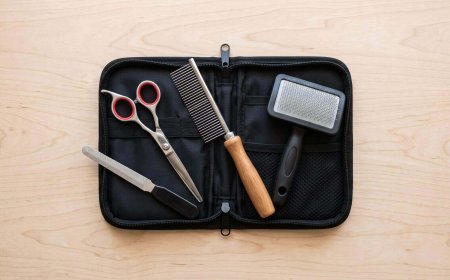
Grooming Tools You'll Need
Before you begin, gather these supplies:
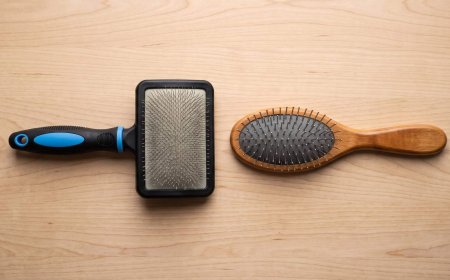
Slicker Brush
Helps remove loose hair and prevent tangles.
Metal Comb
Useful for detecting hidden mats.
Dog Shampoo
Choose a gentle dog-specific shampoo.
Grooming Scissors
Helpful for trimming around the paws and sanitary areas.
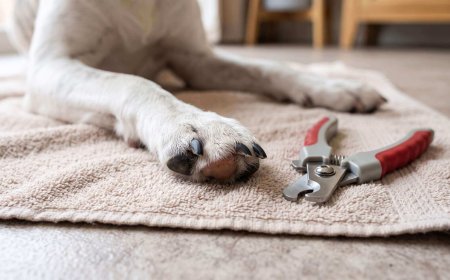
Nail Clippers
Keep nails at a healthy length.
Ear Cleaner
Essential for preventing ear infections.
Towels
Needed after bathing.
Having the proper equipment makes grooming safer and more effective.
Step 1: Brush Your Cocker Spaniel Regularly
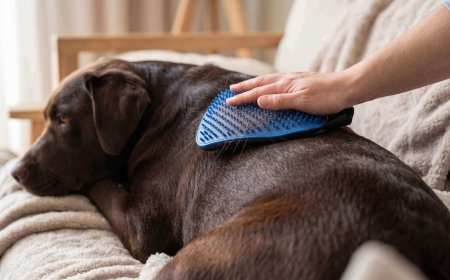
Brushing is the most important part of coat maintenance.
How Often Should You Brush?
Ideally:
-
Every day for long coats
-
At least 3–4 times per week for shorter trims
Regular brushing helps:
-
Prevent mats
-
Remove loose fur
-
Reduce shedding
-
Keep the coat shiny
How to Brush Properly
Start with the Legs
Work from the bottom upward.
Brush in Sections
Small sections help prevent pulling and discomfort.
Focus on Problem Areas
Pay extra attention to:
-
Behind the ears
-
Under the legs
-
Belly area
-
Tail
-
Chest feathering
These locations are most likely to develop tangles.
Step 2: Remove Mats Carefully
Mats can become painful if ignored.
If you find a tangle:
-
Hold the hair near the skin
-
Gently work through the mat
-
Use a comb carefully
-
Avoid pulling
Severe mats may require professional grooming.
Regular brushing is the best prevention.
Step 3: Bathe Your Cocker Spaniel
Bathing keeps the coat clean and healthy.
How Often Should You Bathe a Cocker Spaniel?
Most dogs benefit from bathing every:
-
4 to 6 weeks
Dogs that spend more time outdoors may require more frequent baths.
Bathing Steps
Brush First
Always remove tangles before bathing.
Wet the Coat Thoroughly
Use lukewarm water.
Apply Dog Shampoo
Work it gently into the coat.
Rinse Completely
Any leftover shampoo can irritate the skin.
Dry Thoroughly
Use towels and a pet dryer if available.
Moisture trapped in the coat may lead to skin problems.
Step 4: Clean the Ears
Ear care is especially important for Cocker Spaniels.
Their long floppy ears can trap:
-
Moisture
-
Dirt
-
Debris
This increases the risk of ear infections.
Weekly Ear Checks
Look for:
-
Redness
-
Bad odor
-
Excessive wax
-
Scratching
Cleaning Tips
Use a dog-safe ear cleaner and gently wipe visible debris.
Never insert objects deep into the ear canal.
Step 5: Trim the Nails
Long nails can affect posture and comfort.
Signs Nails Need Trimming
-
Clicking on hard floors
-
Difficulty walking
-
Nails touching the ground
Most Cocker Spaniels need nail trimming every 3–6 weeks.
Trim small amounts to avoid cutting the quick.
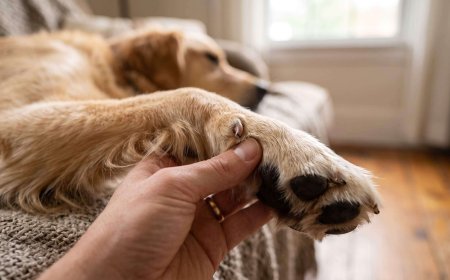
Step 6: Trim Hair Around the Paws
Hair growing between paw pads can:
-
Trap dirt
-
Collect moisture
-
Cause slipping
Carefully trimming excess hair helps improve cleanliness and traction.
Step 7: Check the Eyes
Cocker Spaniels may develop tear staining around the eyes.
Regularly inspect the area for:
-
Excess moisture
-
Dirt buildup
-
Irritation
Gently clean the area using a soft cloth when necessary.
Seasonal Grooming Tips
Spring
Increase brushing as shedding increases.
Summer
Keep the coat clean and monitor for overheating.
Fall
Remove debris and prevent seasonal mats.
Winter
Dry the coat thoroughly after walks in wet weather.
Common Grooming Mistakes
Avoid these common errors:
Skipping Ear Care
Ear infections are common in Cocker Spaniels.
Ignoring Mats
Small tangles can quickly become large mats.
Using Human Shampoo
Human products may irritate your dog's skin.
Bathing Too Frequently
Overbathing can dry the skin and coat.
Neglecting Nail Care
Long nails may cause discomfort and mobility issues.
Frequently Asked Questions
Do Cocker Spaniels Shed?
Yes. They shed moderately throughout the year.
How Often Should Cocker Spaniels Be Groomed?
Brushing several times per week and bathing every 4–6 weeks is usually recommended.
Can I Groom My Cocker Spaniel at Home?
Yes. Many owners successfully maintain their dog's coat at home with regular care.
Are Cocker Spaniels High-Maintenance?
Compared to short-haired breeds, they require more grooming due to their longer coat and ear care needs.
Final Thoughts
Learning how to groom a Cocker Spaniel at home can save money while helping your dog stay healthy and comfortable.
Regular brushing, ear cleaning, bathing, and nail trimming are essential for maintaining a beautiful coat and preventing common grooming problems.
With consistency and the right tools, home grooming can become an easy and rewarding part of caring for your Cocker Spaniel.
Related Articles