










How to Clean Your Dog’s Teeth at Home (Easy Guide)
Learn how to clean your dog’s teeth at home using safe brushing techniques that prevent plaque, bad breath, and dental disease.
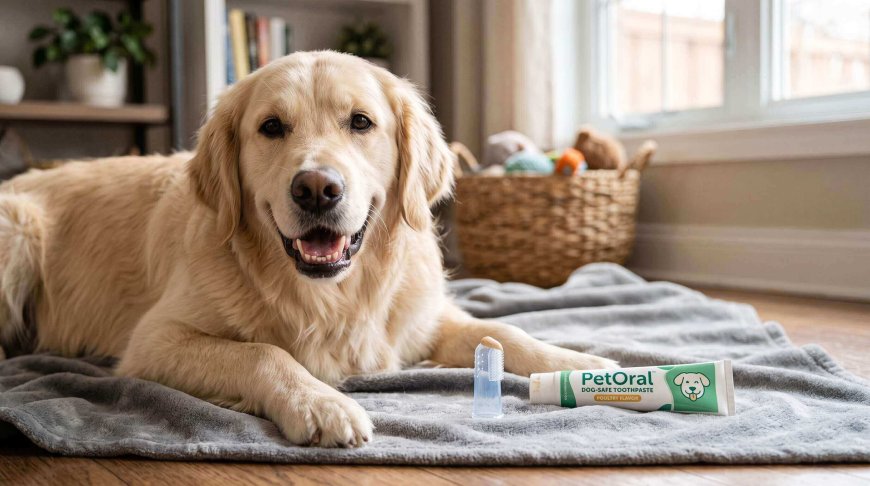
How to Clean Your Dog’s Teeth at Home (Easy Step-by-Step Guide)
Keeping your dog’s teeth clean is one of the most important parts of maintaining their overall health. Poor dental hygiene can lead to bad breath, plaque buildup, gum disease, and even serious health problems over time.
Many dog owners avoid brushing their dog’s teeth because they think it is difficult. However, with the right approach and tools, you can clean your dog’s teeth at home easily and make it part of your routine.
This guide will show you exactly how to clean your dog’s teeth safely and effectively.
Why Cleaning Your Dog’s Teeth Is Important
Dental care is often overlooked, but it plays a major role in your dog’s health.
Benefits of cleaning your dog’s teeth include:
-
Preventing plaque and tartar buildup
-
Reducing bad breath
-
Protecting gums from disease
-
Avoiding expensive dental treatments
-
Improving overall health
Bacteria from poor dental hygiene can enter the bloodstream and affect vital organs.
Signs Your Dog Needs Dental Cleaning
Before starting, check if your dog shows signs of dental problems.
Common signs include:
-
Bad breath
-
Yellow or brown buildup on teeth
-
Red or swollen gums
-
Difficulty eating
-
Excessive drooling
If you notice severe symptoms, consult a veterinarian before cleaning.
What You Need to Clean Your Dog’s Teeth
Prepare the right tools before starting.
You will need:
-
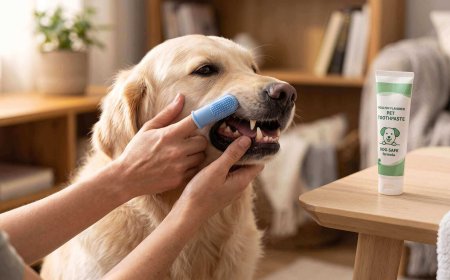
Dog toothbrush or finger brush
-
Dog-safe toothpaste
-
Clean cloth or gauze (optional)
-
Treats for rewards
Never use human toothpaste, as it can be harmful to dogs.
Step-by-Step Guide to Cleaning Dog Teeth
Follow these steps for safe and effective cleaning.
1. Help Your Dog Get Comfortable
Start in a calm environment.
-
Sit next to your dog
-
Speak gently
-
Let your dog get used to your touch around the mouth
This reduces stress and makes the process easier.
2. Introduce the Toothpaste
Let your dog taste the toothpaste first.
-
Place a small amount on your finger
-
Allow your dog to lick it
-
Make it a positive experience
Dog toothpaste usually has flavors dogs enjoy.
3. Lift the Lips Gently
Gently lift your dog’s lips to expose the teeth.
Focus on the outer surfaces of the teeth, as these collect the most plaque.
4. Start Brushing Slowly
Use a soft toothbrush or finger brush.
-
Brush in small circular motions
-
Focus on the gum line
-
Start with a few teeth at a time
Do not rush the process.
5. Keep Sessions Short
At the beginning:
-
Brush for 30–60 seconds
-
Gradually increase time over days
Short sessions help your dog adjust.
6. Reward Your Dog
After brushing:
-
Give treats
-
Offer praise
-
Keep the experience positive
This encourages cooperation in future sessions.
How Often Should You Brush Your Dog’s Teeth?
For best results:
-
Brush 2–3 times per week
-
Ideally brush daily if possible
Consistency is more important than perfection.
Alternative Ways to Keep Dog Teeth Clean
If brushing is difficult, you can still improve dental health.
Other options include:
-
Dental chews
-
Dog dental toys
-
Water additives
-
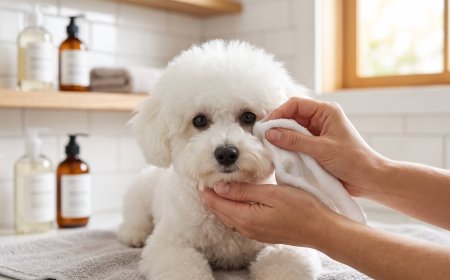
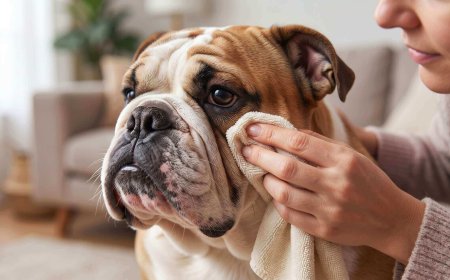
Dental wipes
These methods help reduce plaque but should not fully replace brushing.
Common Mistakes to Avoid
Avoid these mistakes when cleaning your dog’s teeth:
-
Using human toothpaste
-
Brushing too hard
-
Skipping regular cleaning
-
Forcing your dog
-
Ignoring signs of dental problems
Gentle and consistent care is key.
When to Visit a Veterinarian
You should seek professional care if your dog has:
-
Severe bad breath
-
Bleeding gums
-
Loose teeth
-
Heavy tartar buildup
-
Pain while eating
Professional dental cleaning may be required in these cases.
Final Thoughts
Learning how to clean your dog’s teeth at home is essential for maintaining long-term health. Regular dental care prevents serious issues, reduces bad breath, and keeps your dog comfortable.
With patience, the right tools, and a consistent routine, brushing your dog’s teeth can become a simple part of your weekly care routine.