










How to Bathe a Puppy for the First Time (Step-by-Step Guide)

Learn how to bathe a puppy for the first time safely and stress-free. Follow this step-by-step guide for a clean, happy, and healthy puppy.

Jun 25, 2026 - 14:00
 12
How to Bathe a Puppy for the First Time (Step-by-Step Guide)

How to Bathe a Puppy for the First Time (Step-by-Step Beginner Guide)

Introduction

Bathing a puppy for the first time can feel intimidating for new dog owners. Puppies are often curious, energetic, and sometimes nervous around water. A positive first bathing experience can help your puppy feel comfortable with grooming for years to come.

In this guide, you'll learn exactly how to bathe a puppy safely, what supplies you'll need, and common mistakes to avoid.


When Should You Bathe a Puppy?

Most puppies do not need frequent baths. A bath is usually necessary when your puppy:

  • Gets muddy or dirty
  • Develops an unpleasant odor
  • Rolls in something messy
  • Has a veterinarian-approved need for bathing

For most puppies, bathing once every 4–8 weeks is enough.


Supplies You'll Need

Before starting, gather everything you'll need:

  • Puppy-safe shampoo
  • Non-slip bath mat or towel
  • Cup or handheld sprayer
  • Soft towels
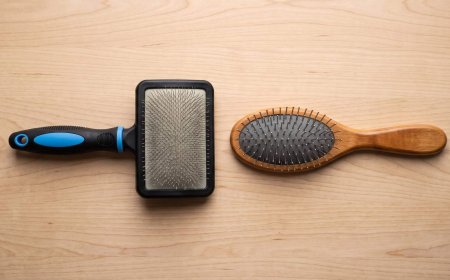
  • Brush
  • Treats for rewards

Having supplies ready makes the process smoother and less stressful.


Step 1: Brush Your Puppy First

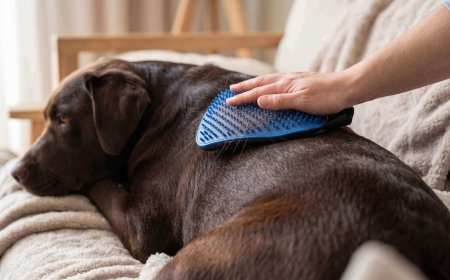
Before getting your puppy wet, gently brush their coat.

Brushing helps:

  • Remove loose fur
  • Prevent tangles
  • Make shampooing easier

Even short-haired puppies benefit from a quick brushing.


Step 2: Prepare Warm Water

Use lukewarm water that feels comfortable to your wrist.

Avoid:

  • Hot water
  • Cold water

Extreme temperatures can make your puppy uncomfortable and anxious.


Step 3: Place Your Puppy in the Bath Area

Use a sink, bathtub, or shallow basin depending on your puppy's size.

Place a non-slip mat underneath to prevent slipping.

Speak calmly and reassure your puppy throughout the process.


Step 4: Wet the Coat Slowly

Start at the neck and work your way down.

Avoid spraying water directly into:

  • Eyes
  • Ears
  • Nose

Use gentle water pressure to keep your puppy comfortable.


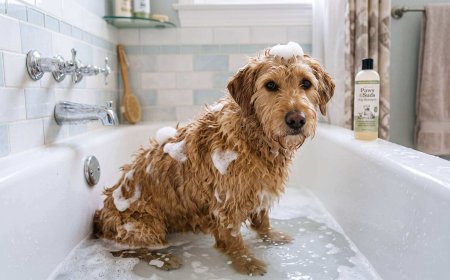
Step 5: Apply Puppy Shampoo

Use a shampoo specifically designed for puppies.

Massage the shampoo gently into the coat using your fingers.

Pay attention to:

  • Legs
  • Belly
  • Tail
  • Paws

Avoid getting shampoo in your puppy's eyes or ears.


Step 6: Rinse Thoroughly

Rinse until all shampoo is removed.

Leftover shampoo can:

  • Cause skin irritation
  • Create itchiness
  • Leave residue on the coat

Take your time during this step.


Step 7: Dry Your Puppy

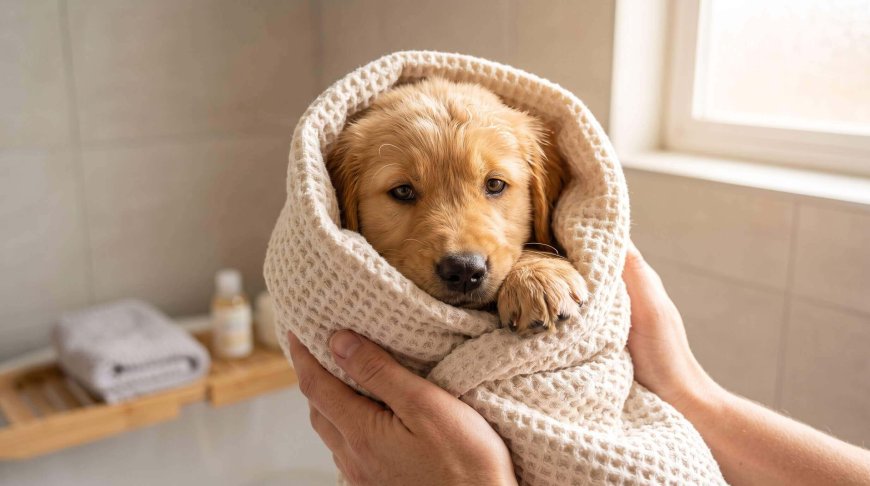
Wrap your puppy in a soft towel and gently pat dry.

Avoid vigorous rubbing.

If using a dryer:

  • Use the lowest heat setting
  • Keep noise levels low
  • Stop if your puppy becomes frightened

Many puppies are comfortable air-drying indoors after towel drying.


Step 8: Reward Your Puppy

Give praise, treats, and affection after the bath.

Positive reinforcement helps your puppy associate bathing with good experiences.

This makes future grooming sessions much easier.


Common Mistakes to Avoid

Using Human Shampoo

Human products can irritate a puppy's sensitive skin.

Always choose puppy-safe shampoo.

Bathing Too Often

Frequent bathing may dry out your puppy's skin and coat.

Using Hot Water

Water that feels too warm can make puppies uncomfortable.

Forgetting to Rinse Thoroughly

Soap residue often causes skin irritation.


Tips for Nervous Puppies

If your puppy seems scared:

  • Keep sessions short
  • Use treats frequently
  • Speak calmly
  • Introduce water gradually
  • Stay patient

Many puppies become more confident after a few positive bathing experiences.


Frequently Asked Questions

How Often Should I Bathe My Puppy?

Most puppies only need bathing every 4–8 weeks unless they become dirty.

Can I Use Baby Shampoo on a Puppy?

It's best to use shampoo specifically formulated for puppies.

At What Age Can Puppies Have Their First Bath?

Most puppies can have a gentle bath once they are old enough and healthy, but consult your veterinarian if you're unsure.

Should I Brush My Puppy Before or After a Bath?

Brushing before bathing helps remove loose fur and prevent tangles.


Final Thoughts

Learning how to bathe a puppy for the first time is an important part of responsible pet ownership. By preparing the right supplies, using gentle techniques, and keeping the experience positive, you can help your puppy feel safe and comfortable during bath time.

With patience and consistency, bathing can become a simple routine that keeps your puppy clean, healthy, and happy.


Related Articles