
Best Dog Brushes for Short-Haired Breeds (Top Picks)
Discover the best dog brushes for short-haired breeds to reduce shedding, improve coat health, and make grooming easier with our expert buying guide.
Best Dog Brushes for Short-Haired Breeds (Top Picks & Buying Guide)
Meta Description: Discover the best dog brushes for short-haired breeds. Learn which brush types reduce shedding, improve coat health, and make grooming easier at home.
Introduction
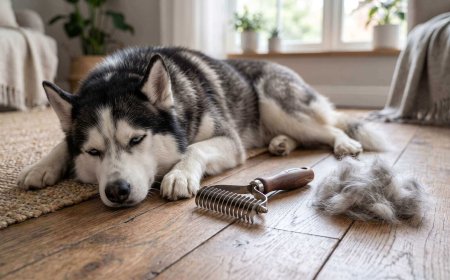
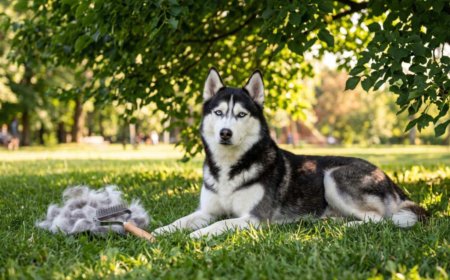
Many dog owners assume that short-haired dogs don't need regular brushing. In reality, breeds with short coats can shed just as much as long-haired dogs, and consistent brushing is one of the best ways to keep their coats healthy, reduce loose hair around the home, and support healthy skin.
Choosing the right brush makes grooming quicker, more comfortable, and more effective. In this guide, we'll explain the best dog brushes for short-haired breeds, what features to look for, and how to choose the right grooming tool for your dog's coat.
Why Short-Haired Dogs Still Need Brushing
Even though short-haired dogs don't usually develop mats, brushing provides many important benefits.
Benefits of Regular Brushing
-
Removes loose hair before it falls around your home
-
Distributes natural skin oils
-
Stimulates healthy skin
-
Removes dirt and dust
-
Helps you check for fleas, ticks, bumps, or skin irritation
-
Strengthens the bond between you and your dog
Most short-haired breeds benefit from brushing at least once or twice each week.
Best Types of Brushes for Short-Haired Dogs
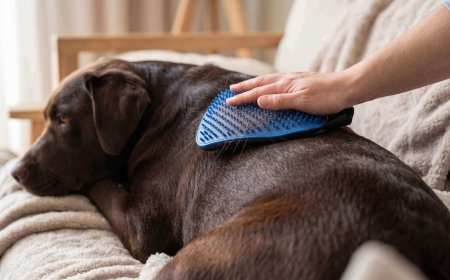
1. Rubber Grooming Brush
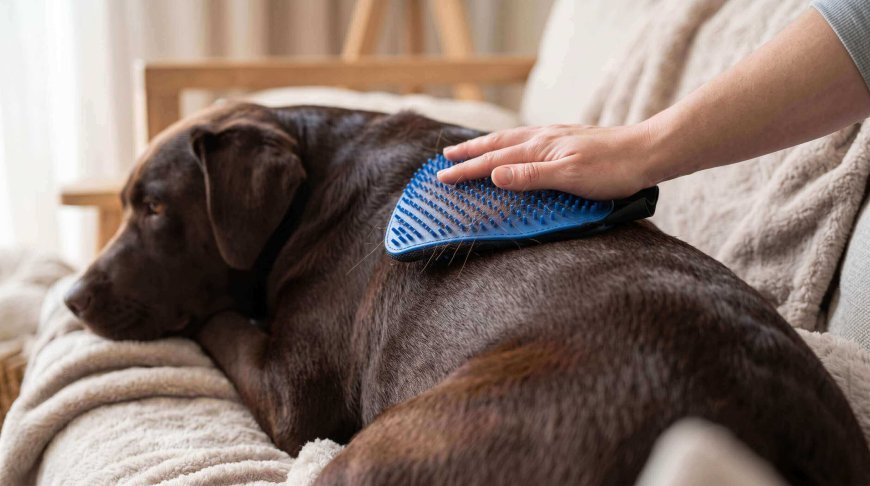
A rubber grooming brush is one of the best choices for short-coated breeds.
Benefits
-
Removes loose hair
-
Gentle on sensitive skin
-
Massage-like grooming experience
-
Easy to clean
Best For
-
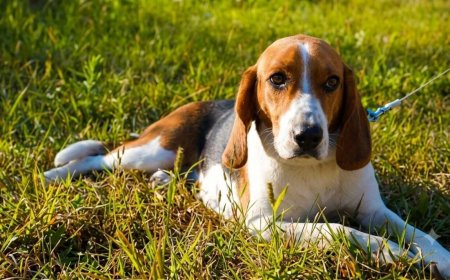
Beagles
-
Boxers
-
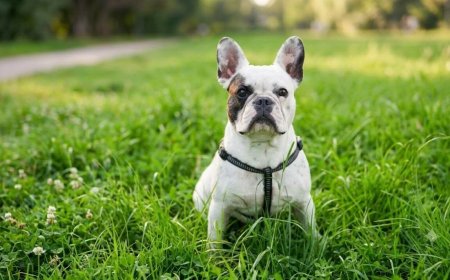
French Bulldogs
-
Pugs
-
Boston Terriers
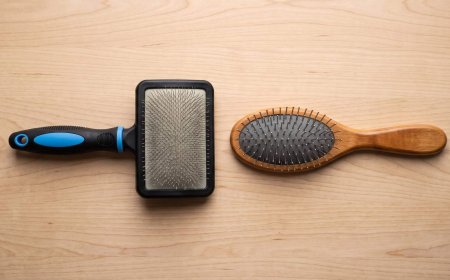
2. Bristle Brush
Bristle brushes help remove dirt while smoothing the coat.
Benefits
-
Creates a shiny finish
-
Removes surface debris
-
Gentle for daily grooming
Best For
-
Dachshunds
-
Doberman Pinschers
-
Great Danes
-
Italian Greyhounds
3. Grooming Mitt
A grooming glove or mitt is perfect for dogs that dislike traditional brushes.
Benefits
-
Comfortable for nervous dogs
-
Collects loose fur
-
Easy to use during petting
Many owners find grooming mitts useful for introducing puppies to brushing.
4. Soft Slicker Brush
Although slicker brushes are often associated with long-haired breeds, soft versions can help remove loose fur on some short-coated dogs that shed heavily.
Use gentle pressure to avoid irritating the skin.
Features to Look for in a Dog Brush
When shopping for a brush, consider these features.
Comfortable Grip
A non-slip handle improves control during grooming.
Durable Materials
High-quality brushes last longer and perform better.
Easy Cleaning
Brushes that release trapped hair quickly save time.
Gentle Design
Rounded tips and soft materials help prevent skin irritation.
How to Brush a Short-Haired Dog
Follow these simple steps for an effective grooming session.
Step 1: Choose a Calm Location
Select a quiet area with minimal distractions.
Step 2: Inspect the Coat
Check for:
-
Bumps
-
Cuts
-
Fleas
-
Ticks
-
Skin irritation
If you notice unusual changes, consult your veterinarian.
Step 3: Brush With the Direction of Hair Growth
Use long, gentle strokes.
Avoid pulling or scrubbing the coat.
Step 4: Pay Attention to High-Shedding Areas
Focus on:
-
Neck
-
Chest
-
Back
-
Hindquarters
-
Tail
These areas often collect the most loose hair.
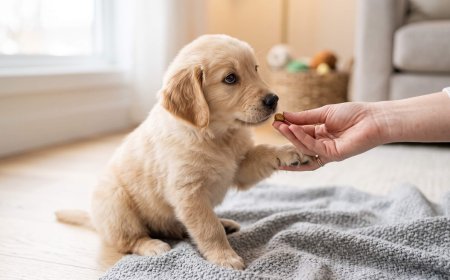
Step 5: Reward Your Dog
Offer praise and treats after brushing.
Positive reinforcement helps dogs enjoy future grooming sessions.
How Often Should You Brush Short-Haired Dogs?
Most dogs benefit from:
-
Once or twice weekly for normal maintenance
-
Three to four times weekly during seasonal shedding
Regular grooming keeps shedding under control while promoting healthy skin.
Common Grooming Mistakes
Brushing Too Hard
Excess pressure may irritate your dog's skin.
Always use gentle strokes.
Using the Wrong Brush
Not every brush works well for every coat type.
Choose tools designed for short-haired breeds.
Ignoring Seasonal Shedding
Many short-haired dogs shed more heavily in spring and fall.
Increase brushing frequency during these periods.
Skipping Grooming Altogether
Even smooth-coated dogs require routine grooming to maintain healthy skin and coats.
Frequently Asked Questions
Do Short-Haired Dogs Need Brushing?
Yes. Brushing removes loose fur, distributes natural oils, and supports healthy skin.
What Is the Best Brush for Heavy Shedding?
Rubber grooming brushes and grooming mitts are excellent choices for many short-haired breeds.
Can I Brush My Dog Every Day?
Yes. Gentle daily brushing is safe for most healthy dogs and may reduce shedding.
Should Puppies Be Brushed?
Absolutely. Early grooming helps puppies become comfortable with regular coat care.
Final Thoughts
Finding the best dog brush for short-haired breeds doesn't have to be difficult. Rubber grooming brushes, bristle brushes, and grooming mitts are excellent options for keeping short coats healthy while reducing loose hair around your home.
By choosing the right grooming tool and brushing consistently, you can improve your dog's coat condition, monitor skin health, and make grooming a positive experience for both you and your pet.
Related Articles