




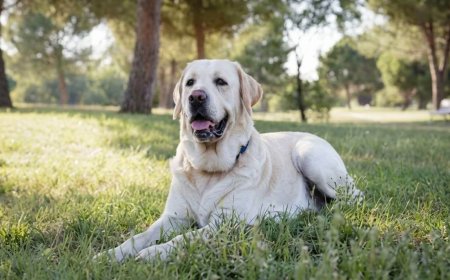

How to Remove Dog Tear Stains Safely (Complete Home Care Guide)
Learn how to remove dog tear stains safely with gentle cleaning methods, prevention tips, and home care advice to keep your dog's eyes clean and healthy.

How to Remove Dog Tear Stains Safely (Complete Home Care Guide)
Meta Title: How to Remove Dog Tear Stains Safely (Complete Home Care Guide)
Meta Description: Learn how to remove dog tear stains safely with gentle home care techniques. Discover the causes of tear stains, cleaning tips, prevention methods, and when to see a veterinarian.
Introduction
Tear stains are a common concern for many dog owners, especially those with white or light-colored coats. While the reddish-brown marks beneath the eyes are usually harmless, they can affect your dog's appearance and may sometimes indicate an underlying health issue.
Fortunately, most tear stains can be managed with regular grooming and proper eye care. The key is to use safe cleaning methods and avoid products that may irritate your dog's sensitive eyes.
This guide explains how to remove dog tear stains safely, what causes them, and how to help prevent them from coming back.
What Causes Dog Tear Stains?
Tear stains develop when tears overflow onto the fur beneath the eyes. Over time, moisture combines with naturally occurring compounds and can leave brown or reddish discoloration.
Common causes include:
- Excessive tearing
- Blocked tear ducts
- Eye irritation
- Allergies
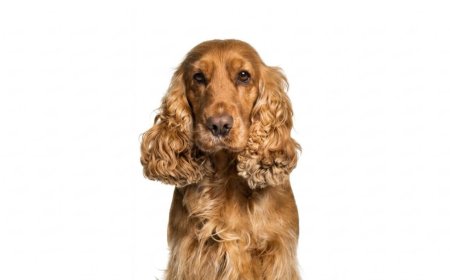
- Long facial hair
- Dust or environmental irritants
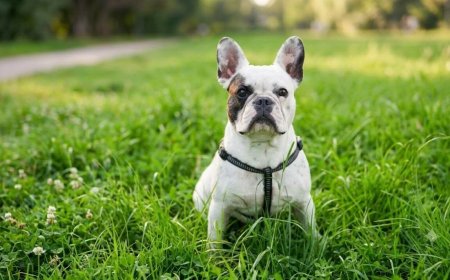
- Certain facial structures in flat-faced breeds
Some breeds are naturally more prone to tear staining than others.
Dog Breeds That Commonly Develop Tear Stains
Although any dog can develop tear stains, they are more noticeable in light-colored breeds such as:
- Maltese
- Bichon Frise
- Poodle
- Shih Tzu
- Coton de Tuléar
- Pekingese
- West Highland White Terrier
Dogs with short noses and prominent eyes may also experience excessive tearing.
Are Tear Stains Harmful?
In many cases, tear stains are cosmetic.
However, you should monitor for signs such as:
- Thick discharge
- Swollen eyelids
- Red eyes
- Squinting
- Bad odor
- Frequent rubbing of the eyes
These symptoms may indicate an eye infection or another medical condition that requires veterinary care.
Supplies You'll Need
Prepare these items before cleaning:
- Soft cotton pads or gauze
- Clean, lukewarm water
- Dog-safe eye wipes (optional)
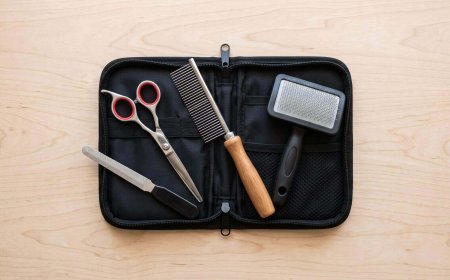
- Small grooming comb
- Clean towel
- Dog treats for positive reinforcement
Avoid using harsh household cleaners or human skincare products.
Step-by-Step Guide to Removing Dog Tear Stains
Step 1: Wash Your Hands
Always wash your hands before touching your dog's face to reduce the risk of introducing bacteria.
Step 2: Calm Your Dog
Choose a quiet area and allow your dog to relax.
Reward calm behavior with praise and treats.
Step 3: Moisten a Cotton Pad
Dampen a soft cotton pad or gauze with lukewarm water.
The pad should be moist but not dripping.
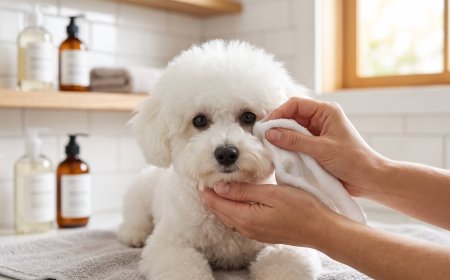
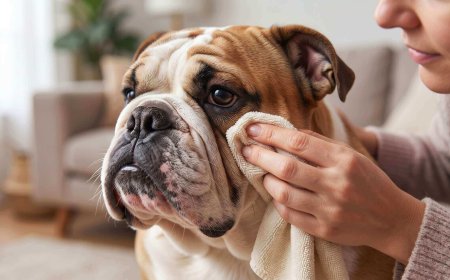
Step 4: Wipe Gently Around the Eyes
Carefully wipe away dried tears and debris.
Always wipe away from the eye rather than toward it.
Never apply pressure directly to the eye.
Step 5: Dry the Area
Use a clean towel to gently pat the fur dry.
Keeping the area dry helps reduce future staining.
Step 6: Brush the Facial Hair
Use a small grooming comb to remove loose debris and prevent tangles around the eyes.
Long facial hair can trap moisture and contribute to staining.
How to Prevent Tear Stains
Regular grooming is the best way to minimize staining.
Keep Facial Hair Trimmed
Hair around the eyes can direct tears onto the fur.
Trim carefully or have a professional groomer maintain this area if needed.
Clean Around the Eyes Daily
A quick daily wipe helps remove moisture before stains develop.
Keep Your Dog Hydrated
Fresh drinking water supports overall health and may help maintain normal tear production.
Feed a Balanced Diet
Good nutrition supports healthy skin, coat, and eye function.
If you suspect food sensitivities, consult your veterinarian before changing your dog's diet.
Schedule Regular Eye Checks
Watch for changes in tearing, redness, or discharge.
Early attention can prevent minor issues from becoming larger problems.
Common Mistakes to Avoid
Using Human Makeup Removers
Products designed for people may irritate a dog's eyes.
Scrubbing Too Hard
The skin around the eyes is delicate.
Always clean gently.
Ignoring Persistent Tear Stains
If stains suddenly worsen or are accompanied by redness or discomfort, seek veterinary advice.
Letting the Fur Stay Wet
Moisture encourages staining and may contribute to skin irritation.
When Should You See a Veterinarian?
Contact your veterinarian if your dog has:
- Yellow or green eye discharge
- Swollen eyelids
- Persistent squinting
- Excessive tearing
- Eye pain
- Sudden changes in vision
- Tear stains accompanied by a foul odor
These signs may indicate an infection or another eye condition requiring treatment.
Frequently Asked Questions
Can Tear Stains Be Completely Removed?
Many tear stains improve with regular cleaning, though some dogs are naturally more prone to them.
How Often Should I Clean Around My Dog's Eyes?
Daily cleaning is ideal for dogs that frequently develop tear stains.
Are Tear Stains Dangerous?
Most tear stains are harmless, but sudden or excessive tearing should be evaluated by a veterinarian.
Can Diet Affect Tear Stains?
Diet may influence overall health in some dogs. If you suspect a food-related issue, discuss it with your veterinarian.
Final Thoughts
Learning how to remove dog tear stains safely is an important part of routine grooming, especially for breeds with light-colored coats or prominent eyes. Gentle daily cleaning, regular grooming, and monitoring for signs of irritation can help keep the area around your dog's eyes clean and healthy.
If tear stains become severe or are accompanied by redness, swelling, or unusual discharge, seek veterinary advice to rule out an underlying medical condition.
Related Articles
- How to Groom a Dog at Home (Step-by-Step Beginner Guide)
- How to Clean Dog Ears at Home Safely (Step-by-Step)
- Best Dog Shampoo for Sensitive Itchy Skin (Top Vet-Approved Picks)
- How to Groom a Shih Tzu at Home (Step-by-Step Styling)
- How to Groom a Yorkshire Terrier at Home (Complete Guide)
- How to Clean a Dog's Wrinkles (Bulldog & Pug Care Guide)