








Dog Dry Skin Home Remedies: Natural Treatments You Can Try Today
Dog dry skin home remedies that actually work: oatmeal baths, omega-3s, and simple fixes to soothe itchy, flaky skin safely at home.
Dog Dry Skin Home Remedies: Natural Treatments You Can Try Today
Few things are tougher to watch than your dog constantly scratching, biting at their paws, or shaking off clouds of white dander. Dry, itchy skin (pruritus) is among the most frequent pet complaints, especially during winter freezes, arid summers, or seasonal allergy spikes.
Before turning to harsh chemical shampoos or prescription ointments, several safe, vet-approved home remedies can calm irritation and restore the skin barrier using kitchen staples. Whether you are maintaining a double-coated breed prone to dander like a Husky or managing sensitive folds on a French Bulldog, these gentle treatments deliver fast, reliable relief.
1. The Soothing Colloidal Oatmeal Bath
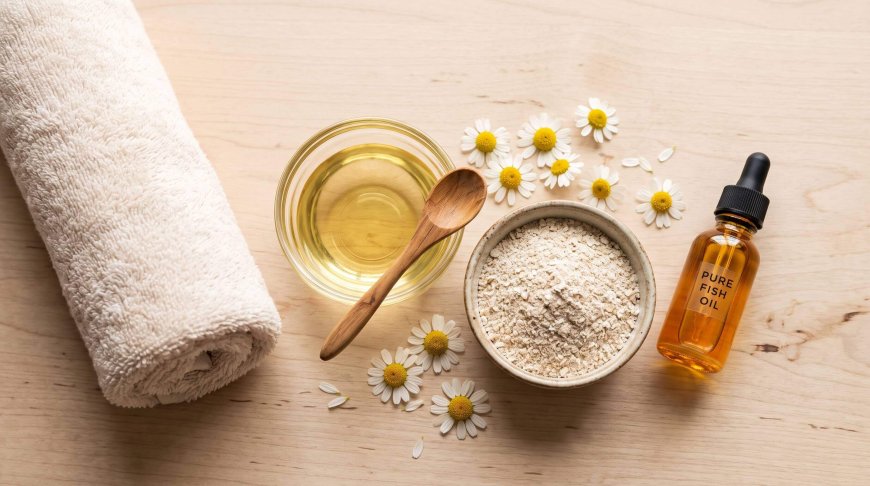
Colloidal oatmeal is arguably the most reliable natural remedy for canine dermal inflammation. Oats contain avenanthramides potent plant compounds with proven anti-inflammatory and antihistamine properties that coat the skin and seal in hydration.
How to Prepare and Apply:
- Grind plain, unflavored whole rolled oats in a blender or food processor until they form a silky, fine powder.
- Test the grind by stirring a spoonful into warm water; if it turns milky without settling on the bottom, it is ready.
- Fill your bathtub with lukewarm water (never hot, which strips lipid layers and aggravates itching).
- Stir in 1/2 to 1 cup of oatmeal powder until the bath turns uniformly opaque.
- Gently soak and massage the milky water into your dog's coat and skin for 10 to 15 minutes.
- Rinse thoroughly with lukewarm water and pat dry with a microfiber towel.
Tip: If you are introducing a young dog to bathing, follow a slow desensitization approach like the one outlined in our first-time puppy grooming guide to keep the soak stress-free.
2. Organic Virgin Coconut Oil (Topical & Dietary)
Cold-pressed, unrefined virgin coconut oil is rich in lauric acid, a medium-chain fatty acid celebrated for its antimicrobial, antifungal, and lipid-replenishing qualities.
- Topical Spot Treatment: Rub a small amount between your palms until liquefied, then massage directly into cracked paw pads, calloused elbows, or flaky belly skin. Allow it to absorb for 5 minutes before letting your dog roam.
- Dietary Addition: Feeding small doses nourishes coat condition from within. Start with 1/4 teaspoon daily for small breeds or 1/2 to 1 tablespoon for medium-to-large dogs, mixed directly into their kibble.
3. Diluted Apple Cider Vinegar (ACV) Spray
Raw apple cider vinegar restores healthy skin acidity, creating an inhospitable environment for surface yeast and pathogenic bacteria. It is particularly effective for dogs suffering from itchy "frito feet" or localized yeast buildup.
Safety Note: Never use apple cider vinegar on open cuts, raw lesions, or scratched-raw skin. The acidity will sting intensely.
Application Steps:
- Mix raw, unfiltered apple cider vinegar (containing the "mother") with filtered water at a 50/50 ratio in a clean spray bottle.
- Part the coat and lightly mist irritated patches, avoiding the eyes, nose, and genital regions.
- For itchy, yeasty paws, pour the mixture into a shallow dish and submerge each paw for 60 to 90 seconds, then pat dry.
4. Chamomile and Green Tea Rinses
Brewed herbal teas provide rapid relief for surface irritation, hot spots, and contact allergies. Chamomile calms red, hypersensitive skin, while the catechins in green tea offer natural antimicrobial defenses.
- Steep 3 to 4 organic tea bags in 3 cups of boiling water for 15 minutes.
- Discard the bags and let the liquid cool completely to room temperature.
- Pour the tea slowly over the coat as a leave-on final rinse after bathing, or soak a clean washcloth and hold it against flared patches for 5 minutes.
5. Omega-3 Fatty Acids for Deep Barrier Support
External treatments address immediate discomfort, but durable skin health is built from nutritional fats. A persistent lack of dietary omega-3 fatty acids often manifests as dull fur, dandruff, and heavy coat shedding.
Breeds with dense double coats—like those covered in our Golden Retriever de-shedding guide—require substantial omega fatty acid reserves to support high follicle density and oil production.
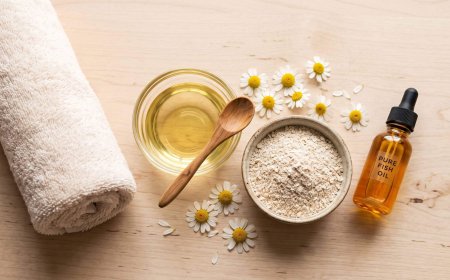
- Wild Alaskan Salmon Oil: High in bioavailable EPA and DHA, salmon oil reduces systemic inflammation and curbs chronic flaking.
- Canned Sardines in Water: Offer half a canned sardine (plain water pack, no added salt) twice a week for an immediate micronutrient and healthy fat boost.
Environmental Checks: Common Household Triggers
Often, the root cause is environmental rather than biological. Review this checklist to rule out external skin stressors:
| Environmental Trigger | Impact on Skin | Practical Solution |
|---|---|---|
| Excessive Bathing | Strips natural sebum oils from follicles | Limit routine baths to every 3–4 weeks using soap-free formulations. |
| Low Indoor Humidity | Dries epidermal barrier in winter or AC | Run a cool-mist humidifier near their primary sleeping quarters. |
| Allergen Buildup | Bedding traps dander, mites, and pollens | Wash dog beds weekly in hot water with fragrance-free detergent. |
| Infrequent Brushing | Dead undercoat traps moisture & dirt | Brush weekly; long-eared or silky coats need special attention, as seen in our Cocker Spaniel grooming guide. |
When to See a Veterinarian
While benign seasonal dryness responds quickly to home remedies, consult your veterinarian if you observe:
- Oozing sores, bleeding, or rapidly spreading hot spots.
- Patches of baldness (alopecia) accompanied by blackened or thickened skin.
- A pungent, musty odor emanating from the skin, paws, or ears.
- Incessant chewing or paw-licking that disrupts sleep or daily routines.
- Signs of parasites like fleas, ticks, or mite crusting.
Frequently Asked Questions (FAQs)
Can my dog lick the coconut oil after I apply it?
Yes. Pure, unrefined coconut oil is non-toxic and safe in small amounts. However, distract your pet with a chew toy or treat for 5 to 10 minutes post-application so the skin absorbs the oil rather than having it licked off immediately.
How often should I give my dog an oatmeal bath for dry skin?
An oatmeal bath can be given once a week during active flare-ups. Because colloidal oatmeal contains no harsh detergents, it will not strip the skin's protective sebum when prepared with lukewarm water.
Can I use human moisturizer or lotions on my dog?
No. Human lotions frequently contain artificial fragrances, parabens, and alcohols that disrupt a dog's near-neutral skin pH (around 6.5–7.5). Certain human skin creams also contain zinc oxide or hydrocortisone, which can be toxic if ingested. Stick to pure, pet-safe oils and canine-formulated ointments.
How long does it take for dietary fish oil to improve dry skin?
Dietary fatty acids work systematically by incorporating into newly forming cellular membranes. Expect to see noticeable improvements in coat shine and a reduction in dry flakes within 3 to 6 weeks of consistent supplementation.