







Nail Grinder vs Clippers: Which Is Safer for Your Dog?
Compare dog nail grinders and clippers. Learn which tool avoids cutting the quick, reduces nail splitting, and keeps anxious dogs calm during home trims.
Dog Nail Grinder vs. Clippers: Which Is Safer for Your Dog?
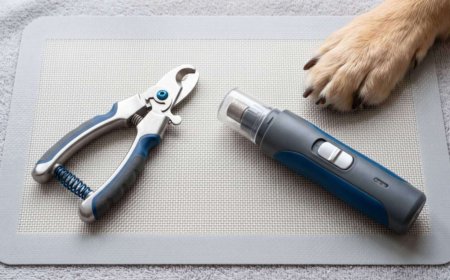
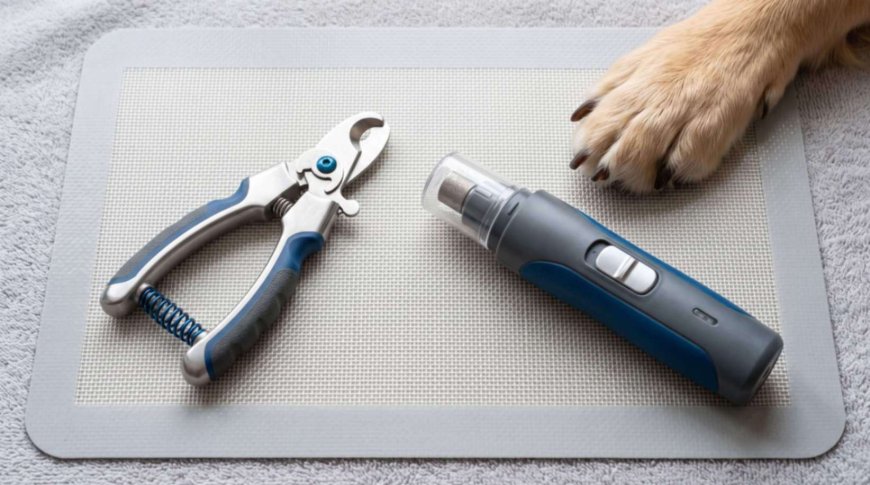
Trimming a dog's nails is widely considered one of the most stressful maintenance tasks for home groomers. The fear of accidentally nicking the sensitive inner blood vessel known as the "quick" often leads pet parents to put off trimming until nails click loudly on hardwood floors or begin altering paw posture. When setting up a home care routine, the two primary options are traditional nail clippers and electric nail grinders.
Both tools can achieve clean, healthy paws, but their mechanics, learning curves, and tolerance levels vary significantly. Understanding how each performs helps you choose the right approach for your dog’s temperament and nail density.
Quick Comparison: At a Glance
| Feature | Manual Clippers | Electric Nail Grinder |
|---|---|---|
| Cutting Action | Shears nail in a single squeeze | Sands down nail gradually with friction |
| Quick Nick Risk | Higher (accidental cuts happen instantly) | Very low (layer-by-layer control) |
| Edge Finish | Often leaves sharp, jagged edges | Smooth, rounded, snag-free tips |
| Noise & Vibration | Completely silent | Low motor hum and gentle vibration |
| Session Speed | Fast (a few seconds per paw) | Moderate (takes longer per nail) |
The Case for Manual Dog Nail Clippers
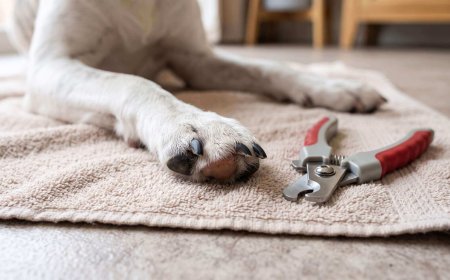
Nail clippers function like heavy-duty shears. Quality scissor-style or plier-style clippers use hardened stainless steel blades to slice through keratin cleanly when sharp. If you are starting fresh, reviewing our guide to the best dog nail clippers for beginners will show you what ergonomic grips and safety guards look like in practice.
Pros:
- Speed: Once you and your dog are comfortable, trimming all four paws takes under three minutes.
- Silent operation: Zero motor noise makes clippers easier for sound-sensitive pets.
- No power required: Never needs batteries or charging cables.
Cons:
- Pinching sensation: Dull clippers crush the nail slightly before cutting, causing mild discomfort that dogs dislike.
- Higher risk on dark nails: Because black nails hide the quick, guessing the cutting point can cause sudden bleeding if taken too short.
The Case for Electric Nail Grinders
Electric grinders use a high-speed rotating emery drum or diamond-bit wheel to file down the nail slowly. Instead of removing a large chunk at once, grinders wear away fine layers of keratin.
Pros:
- Layer-by-layer safety: You can grind a tiny bit at a time and stop the second you see the dark circular core that signals the quick is near. This makes it especially safe when learning how to cut overgrown dog nails where the quick has grown out.
- Smooth, rounded edges: Eliminates sharp corners that scratch hardwood floors, snag carpets, or tear human skin during greetings.
- Reduced nail splitting: Excellent for brittle nails that crack when squeezed by manual blades.
Cons:
- Friction heat: Leaving the grinding wheel in one spot for more than 2–3 seconds creates heat buildup that causes paw sensitivity.
- Vibration acclimation: Dogs must be desensitized to the buzz and hum before their first full session.
The Hybrid Method: What Professional Groomers Do
Many professional groomers do not choose between one or the other they use both together:
- Use sharp manual clippers to take off the excess length with a quick snip just past the curve.
- Use an electric grinder for 2 seconds per nail to bevel the sharp corners into a smooth, polished dome.
This hybrid approach gives you the speed of clippers paired with the rounded, scratch-free finish of a grinder.
Frequently Asked Questions (FAQ)
Can long hair get caught in an electric nail grinder?
Yes. If your dog has long feathering on their paws, the rotating drum can wrap up fur quickly. Always pull the hair back away from the toes, or slip an old nylon stocking over the paw and push just the nails through the mesh before grinding.
How do I avoid overheating the nail when grinding?
Use a "pulse" technique. Touch the grinding wheel to the nail for 1 to 2 seconds, lift it away for a moment, and tap again. Never hold the spinning stone continuously against one nail.
What should I do if a nail starts bleeding?
Keep styptic powder (or plain cornstarch) within reach before starting any nail trimming session. Press a pinch of powder firmly against the tip of the bleeding nail for 30 seconds to form a clot.
Which tool is best for dewclaws?
Dewclaws often curl tightly toward the inner leg. Manual clippers are usually easier to slide behind the curve of an overgrown dewclaw than a bulky grinder wheel. Check out our dedicated breakdown on trimming dog dewclaws safely for step-by-step positioning.
Related Guides