

How to Groom a Double-Coated Dog in Summer (Never Shave)
Learn how to safely groom your double-coated dog in the summer. Discover why shaving causes heatstroke and sunburn, and follow our 4-step home care routine.
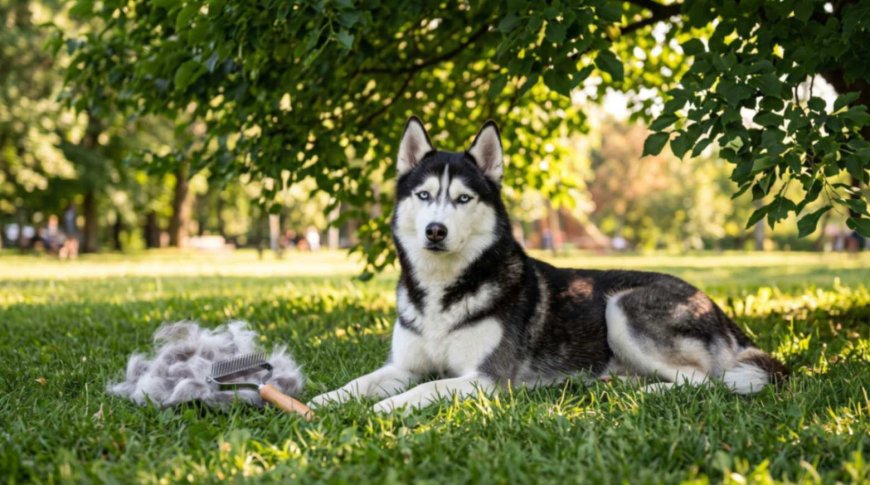
How to Groom a Double-Coated Dog in the Summer (Why You Should Never Shave Them)
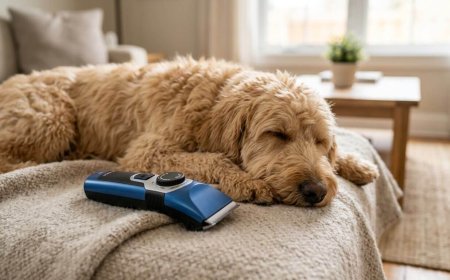
When summer temperatures rise, pet parents often look at their heavy-coated dogs and worry they are suffering under all that fur. The instinctive reaction is often to grab the clippers or book a grooming appointment for a "summer shave." However, shaving a double-coated dog is one of the most counterproductive and physically hazardous things you can do for their warm-weather comfort.
A dog’s coat does not function like human clothing. Understanding the unique biology of a double coat reveals why shaving disrupts natural temperature regulation and what practical maintenance routine you should use instead to keep your pup cool, clean, and healthy all season long.
The Dual-Layer Architecture of a Double Coat
Breeds like Golden Retrievers, German Shepherds, Siberian Huskies, Collies, and Great Pyrenees possess two distinct types of fur that work in tandem:
- The Dense Undercoat: A soft, downy layer close to the skin. In winter, this undercoat traps body heat; in summer, it functions as natural insulation, preventing external ambient heat from penetrating through to the dog's skin.
- The Tough Topcoat (Guard Hairs): Coarser, weather-resistant outer hairs that reflect sunlight, repel water, and shield delicate skin from direct ultraviolet (UV) radiation and insect bites.
When both layers are properly brushed out, cool air circulates freely down to the skin while the guard hairs block radiant heat. If you manage a heavily shedding breed, understanding these mechanics is critical—as detailed in our guide on how to groom a Golden Retriever at home and our care tutorial on how to groom a German Shepherd at home.
The Serious Risks of Shaving a Double Coat
- Increased Heatstroke Risk: Without the insulating barrier of the coat to block external heat, the dog’s internal body temperature spikes much faster when exposed to summer weather.
- Severe Solar Dermatitis (Sunburn): Canine skin is significantly thinner than human skin. Shaving exposes pale, unpigmented tissue directly to ultraviolet rays, drastically increasing the risk of blistering and skin cancer.
- Post-Clipping Alopecia: Shaved double coats frequently fail to grow back correctly. The fuzzy undercoat typically rebounds quickly, while the protective guard hairs may take years to return or grow back patchy, brittle, and dull.
- Loss of Natural Insect & Parasite Defense: The topcoat provides a natural barrier against mosquitoes, ticks, fleas, and thorny summer brush.
The 4-Step Summer Grooming Protocol
Step 1: High-Velocity Undercoat Blow-Out
Before introducing water, use a specialized pet dryer to separate the fur. Directing concentrated room-temperature air against the skin blows out compacted, dead undercoat that standard brushing misses. For an effective home station, selecting an efficient, low-noise model like those featured in our best dog hair dryer guide makes this step fast and comfortable for your dog.
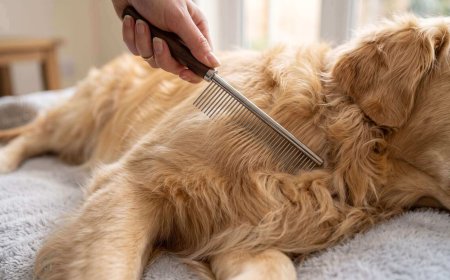
Step 2: Systematic Undercoat Raking
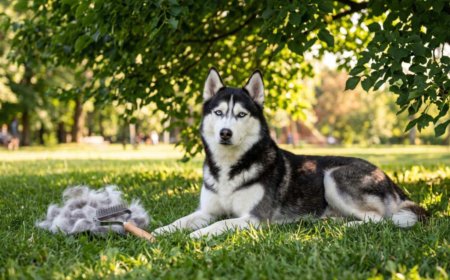
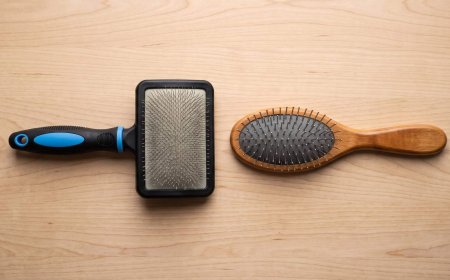
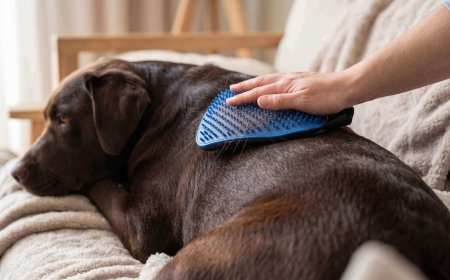
Dead undercoat that remains trapped against the skin forms a felt-like matting that traps moisture and stifles air circulation. Use an ergonomic undercoat rake 2 to 3 times weekly to pull shed hair free. Work in the direction of hair growth, focusing along the neck ruff, flanks, and rear "trousers" where shedding fur concentrates. If you are managing massive undercoat volume, pairing this technique with the best deshedding tools for heavy shedders keeps shedding controlled without damaging the topcoat.
Step 3: Deshedding Bath & Deep Conditioning
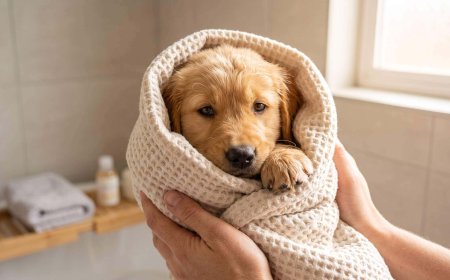
Warm-weather baths dislodge loose fur rapidly when paired with a rich, dog-safe conditioner. Lather with a gentle shampoo, rinse, and apply a moisturizing conditioner to relax the hair follicles. Allowing the conditioner to sit for 5 minutes lets trapped hair slide out effortlessly during the final lukewarm rinse. If your dog gets anxious around water, follow our step-by-step tips on how to keep a dog calm during a bath to keep the experience low-stress.
Step 4: Paw Pad & Sanitary Trimming Only
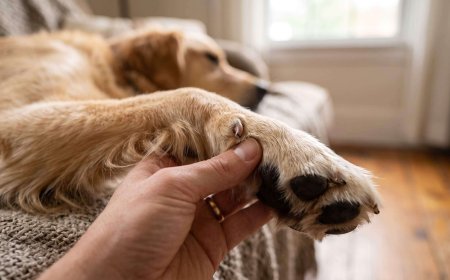
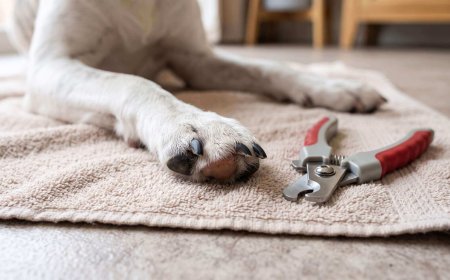
While the body should never be clipped down, trimming excess hair between the paw pads is highly beneficial. Dogs dissipate body heat primarily through panting and through sweat glands located in their paw pads. Clearing out overgrown pad fur helps them release heat efficiently when walking on cool tile or shaded surfaces. At the same time, keep paw pads safe on hot ground by reviewing how to protect dog paws from hot pavement and ice.
Recognizing Canine Heat Stress
Grooming is only one part of warm-weather pet care. Never rely solely on coat maintenance to protect against extreme temperatures. Watch for common signs of overheating:
- Excessive, loud, or frantic panting with an enlarged, wide tongue
- Thick, sticky saliva or excessive drooling
- Bright red, pale, or purple gums
- Weakness, wobbliness, or refusal to walk
If you observe any of these symptoms, move your dog into air conditioning immediately, apply cool (not ice-cold) water to their paws and groin, and contact an emergency veterinarian right away.
Frequently Asked Questions (FAQ)
Can I shave my Husky or German Shepherd if they have severe mats?
Spot-shaving localized, tight mats behind the ears or in the groin is sometimes necessary if they cannot be gently detangled. However, you should never shave the entire body. Work through minor tangles first using our tutorial on how to remove matted dog hair without hurting your dog with a slicker brush and detangling spray.
How often should I brush a double-coated dog during the summer?
During peak shedding (the spring-to-summer coat blow), brushing 3 to 4 times a week for 15 minutes is ideal. Once the dead undercoat has cleared, a thorough weekly brush-out is usually sufficient to maintain healthy airflow.
Does cutting the coat shorter with scissors help?
No. Trimming guard hairs with scissors blunts the protective ends that reflect UV light and repel moisture. Stick strictly to undercoat removal using rakes and slickers, leaving the natural length of the guard hairs untouched.
Why does my dog feel warmer to the touch after being shaved?
Without their reflective topcoat and insulating undercoat, external radiant heat from the sun and warm ambient air hits their skin directly. Shaved skin absorbs heat rapidly, making the dog hotter internally than a properly brushed, fully coated dog.
Related Guides