

Slicker Brush vs Pin Brush: Which Does Your Dog Need?
Compare slicker brushes and pin brushes for dogs. Learn which tool prevents mats, protects sensitive skin, and suits your dog’s specific coat type.
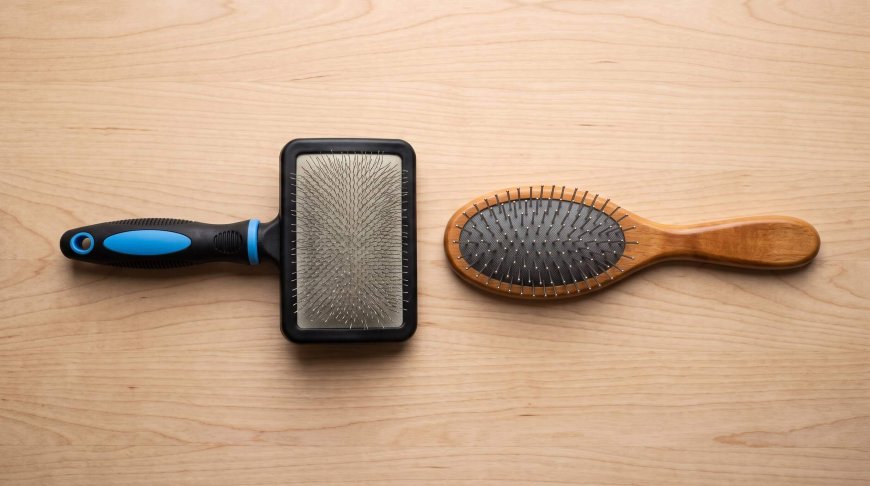
Slicker Brush vs. Pin Brush: Which Does Your Dog Actually Need?
Walking into a pet supply aisle or scrolling online reviews can quickly become overwhelming. Rows of grooming tools promise tangle-free, silky coats, but using the wrong brush can cause pain, skin irritation, or broken hair shafts. The two most common tools dog parents encounter are the slicker brush and the pin brush.
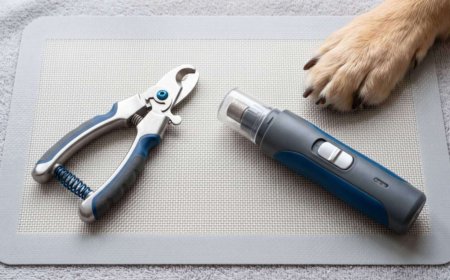
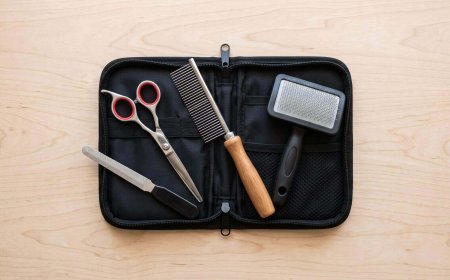
While they may look similar from a distance, their design and intended purposes are distinctly different. Using a slicker brush on a short, single coat can irritate sensitive skin, while using a gentle pin brush on a heavily matted undercoat will barely scratch the surface. If you are just getting started assembling your home station, it helps to review a complete beginner dog grooming kit so you understand how brushes integrate with shears, combs, and nail trimmers.
Quick Comparison: At a Glance
| Feature | Slicker Brush | Pin Brush |
|---|---|---|
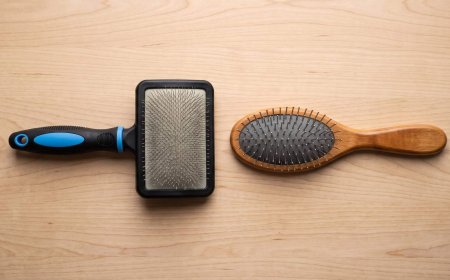
| Bristle Type | Fine, bent wire pins set closely together | Straight, widely spaced metal or wooden pins |
| Primary Purpose | Removing undercoat, detangling, clearing debris | Smoothing, fluffing, daily surface maintenance |
| Ideal Coat Types | Curly, wool, double coats (Poodles, Goldens) | Silky, long, drop coats (Yorkies, Setters) |
| Risk of Skin Irritation | Moderate to high if pressed too firmly | Low (pins usually have polished, rounded tips) |
What is a Slicker Brush?
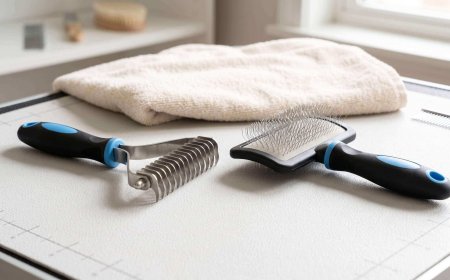
A slicker brush features a flat or slightly curved head packed with hundreds of fine wire pins. These pins are angled slightly, allowing them to penetrate deep into dense fur without gouging directly into the epidermis when used correctly.
When to use it:
- Double-coated breeds: Essential for pulling dead shed out of the thick undercoat. For instance, owners managing seasonal coat blowouts often pair this with the best brush for Golden Retriever shedding or an undercoat rake to reach the deepest layers.
- Curly or fleece coats: Critical when learning how to groom a Poodle at home, where everyday friction knots easily turn into solid mats near the skin.
- Targeted dematting: Excellent for working through tight clusters before learning how to remove matted dog hair safely without causing discomfort.
Watch out for "brush burn": Because the wire pins are fine, excessive pressure can scratch your dog's skin. Test the brush on the inside of your own forearm first—if it feels sharp or uncomfortable, you are applying too much pressure.
What is a Pin Brush?
A pin brush looks similar to a classic human hairbrush. It features straight, widely spaced pins mounted on a flexible rubber cushion. These pins are typically tipped with rounded protective ends or polished smooth to glide effortlessly through hair.
When to use it:
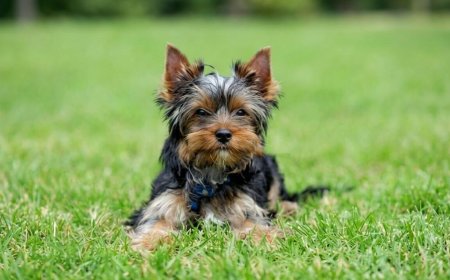
- Long, silky coats: Perfect for delicate single coats. It is an essential tool if you follow our tutorial on how to groom a Yorkshire Terrier at home, where metal slickers can snap fine hair strands.
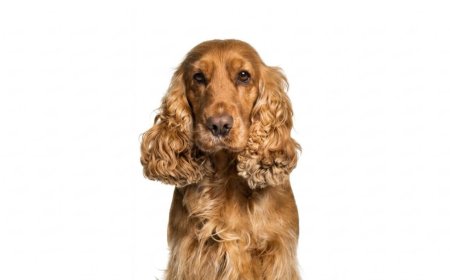
- Medium drop coats: Highly effective when learning how to groom a Cocker Spaniel at home to keep the silky ear feathering and leg furnishings separated without snagging.
- Finishing and fluffing: Use it after a warm bath and a gentle blowout with a quiet dog hair dryer to lift the topcoat and give it volume.
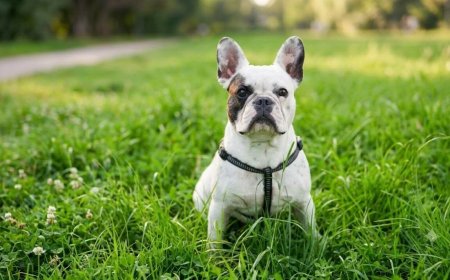
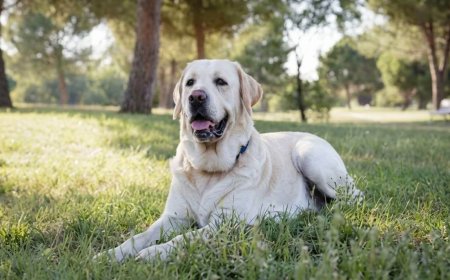
For breeds with smooth, dense pelts rather than flowing hair (such as Labradors or Frenchies), neither of these may be your best primary brush. In those cases, look into the best dog brushes for short-haired breeds, such as rubber curry mitts, which grip loose surface fur much more efficiently.
How to Test Brushing Pressure at Home
One of the most frequent mistakes pet parents make is pressing the brush head straight down into the coat like a carpet rake. Both slicker and pin brushes are designed to be pulled in gentle, rhythmic strokes tangent to the body:
- The Forearm Scratch Test: Place the brush against the soft underside of your forearm and pull it across your skin using the exact same pressure you intend to use on your dog. If it leaves red marks or feels prickly, ease your grip.
- Line Brushing Method: Part the dog's fur with your non-dominant hand until you can see a clean line of skin. Brush only a small section of hair down from the part, working systematically from the paws upward.
- Check Your Work with a Comb: Run a stainless steel greyhound comb through the brushed section. If the comb glides freely from root to tip, the coat is clear.
The Final Verdict
If you have a double-coated, wire-haired, or curly-coated dog, a slicker brush is non-negotiable for daily undercoat maintenance and mat prevention. If your dog has a single, straight, or silky drop coat, a quality pin brush is the gentlest tool for daily detangling and finishing. Many households maintain both: a slicker brush to work out deep debris and a pin brush to smooth the exterior finish.
Frequently Asked Questions (FAQ)
Can I use a slicker brush on a short-haired dog?
It is generally not recommended. Short-haired breeds like Boxers, Beagles, and French Bulldogs have very little hair padding between the brush and their skin. Fine wire slicker pins can easily cause scratches or brush burn. A soft bristle brush or a rubber curry mitt is a much safer option.
Will a pin brush remove undercoat shedding?
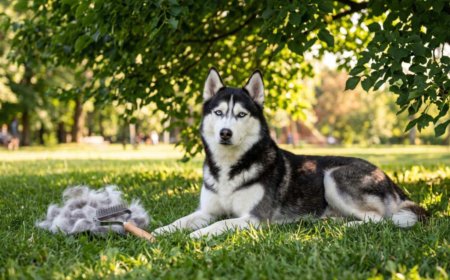
No. While a pin brush will pick up loose surface hairs, its pins are spaced too far apart to grip the dense, woolly undercoat found on breeds like German Shepherds or Huskies. For true seasonal shedding, you need an undercoat rake followed by a slicker brush.
How do I prevent brush burn when using a slicker brush?
Always brush in light, rolling strokes parallel to the skin rather than pressing down. Never repeatedly brush over the exact same patch of skin, and use the line brushing technique to verify you are working through the hair rather than scraping the dog's epidermis.
Do pin brushes pull out healthy hair?
Quality pin brushes with polished or rounded tips should glide through without pulling healthy hair. If you notice resistance or snagging, pause and hold the hair near the base of the skin with your fingers before gently working the brush through the tip to avoid pulling on the follicle.
Related Guides