



First-Time Puppy Grooming Guide: A Gentle At-Home Routine
Step-by-step beginner guide to grooming a young puppy at home safely. Learn how to introduce nail touches, brushing, and low-stress baths during early socialization.
First-Time Puppy Grooming Guide: A Gentle At-Home Routine
Bringing a new puppy home is exciting, but grooming is often an afterthought until muddy paws, tangled fluff, or razor-sharp puppy claws demand immediate attention. Many pet parents assume grooming begins only when an adult coat comes in. In reality, the crucial window for gentle grooming acclimation happens between 8 and 16 weeks of age.
Starting early is not about complex haircuts or full styling sessions it is about desensitization. Teaching a puppy that brushes, water, towels, and nail clippers bring praise and treats prevents fear-based resistance later in life. Here is how to establish a low-stress grooming foundation at home.
The 4-Step Early Puppy Desensitization Routine
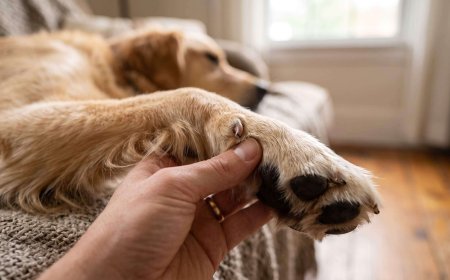
Step 1: Daily Handling & Paw Touch Exercises
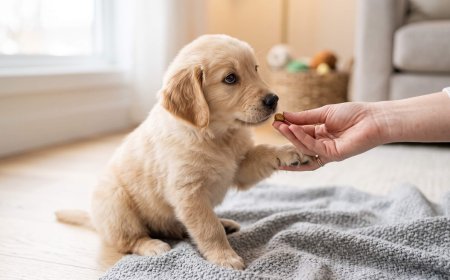
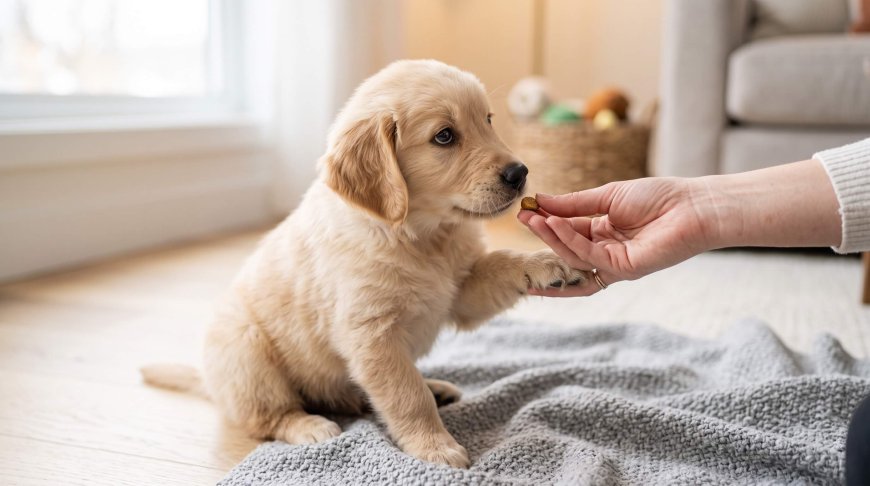
Puppies are naturally protective of their paws, ears, and muzzles. Before introducing sharp tools, spend two minutes each day gently handling these sensitive zones while pairing the touch with high-value treats:
- Gently separate individual toes and tap each toenail lightly with your fingernail.
- Lift the ear flap to inspect the inner ear, rewarding calm stillness.
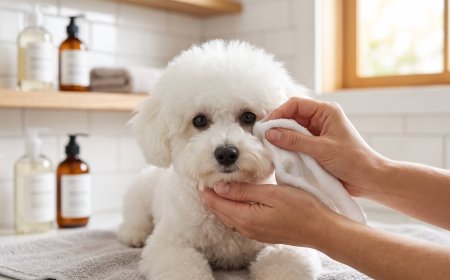
- Gently stroke around the muzzle and chin to prepare them for face trimming later.
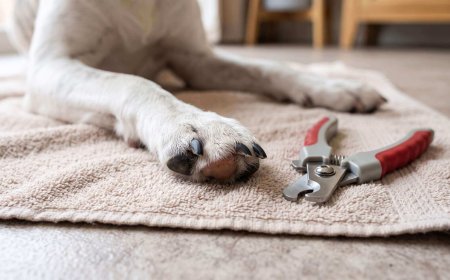
Once your puppy accepts paw handling without pulling away, transitioning to our step-by-step instructions on how to cut overgrown dog nails will be far simpler and safer.
Step 2: Gentle Introduction to Brushing
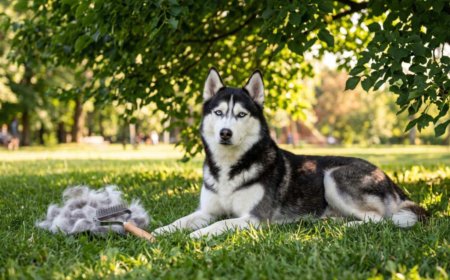
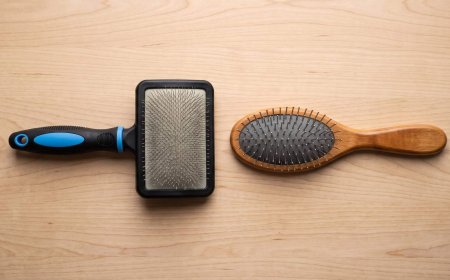
Puppy fur is soft and rarely forms deep mats immediately, but introducing a brush early prevents comb aversion. Use a soft-bristle brush or a gentle pin brush with protective tips rather than a sharp wire slicker:
- Let your puppy sniff the brush while it rests on the floor. Offer a small treat.
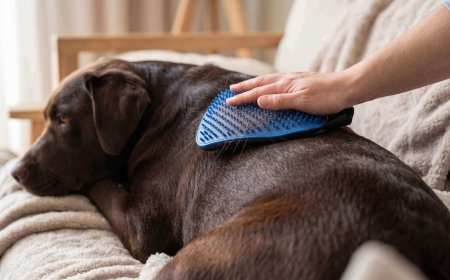
- Take two or three light strokes along the puppy's back following the natural direction of hair growth.
- Praise calmly and end the session while the puppy is still relaxed.
Keep these introductory sessions under three minutes. For owners raising dense-coated breeds, practicing early coat handling is vital before following our detailed guide on how to groom a Golden Retriever at home as their full double coat develops.
Step 3: Low-Stress Bath Routine
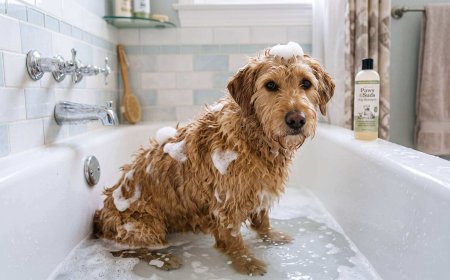
A puppy's first bath should never involve loud rushing faucets or slippery tubs without traction. Slipping on porcelain creates instant panic that can last into adulthood:
- Place a damp towel or rubber mat on the bottom of the sink or tub to provide secure footing.
- Fill a small basin with lukewarm water and use a soft washcloth or cup to wet the body gradually, keeping water away from the eyes and ears.
- Use only mild, tear-free puppy shampoo with no heavy synthetic perfumes.
For a detailed breakdown of temperature checks, drying steps, and post-bath care, follow our dedicated walkthrough on how to bathe a puppy for the first time.
Step 4: Sound Desensitization
Grooming tools make strange humming and blowing noises. Run an electric toothbrush or a hair dryer on its lowest cool setting in an adjacent room while feeding your puppy their dinner. Gradually bring the sound closer over several days so motor hums become an ordinary background noise rather than a source of panic.
Three Critical Puppy Grooming Mistakes to Avoid
- Rushing Through Fear: If your puppy struggles or whines, pause. Pushing through resistance teaches them that struggling is necessary to escape. Ease up, reward a calm moment, and try again later.
- Using Adult Flea or Medicated Shampoos: Young puppy skin is sensitive and absorbs topicals quickly. Never use adult medicated or flea shampoos on puppies under 12 weeks unless specifically directed by a veterinarian.
- Over-bathing: Bathing too frequently strips the natural oils protecting delicate puppy skin, leading to itching and dry flakes. Limit full baths to once every 3 to 4 weeks unless your puppy gets into mud.
Frequently Asked Questions (FAQ)
At what age should a puppy have their first professional grooming visit?
Most professional groomers recommend scheduling a "puppy introduction visit" around 12 to 16 weeks of age, immediately after they have completed their essential core vaccinations. These early visits focus simply on getting bathed, having their paws handled, and meeting the groomer.
Can I trim puppy nails with human clippers?
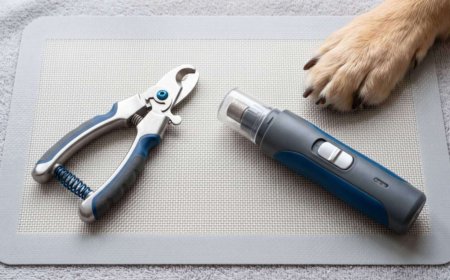
While very tiny young puppy claws can sometimes be tipped with human nail clippers, dedicated pet clippers with a curved blade or a gentle file are much better at preventing the nail from splitting or crushing.
How do I dry a puppy after a bath?
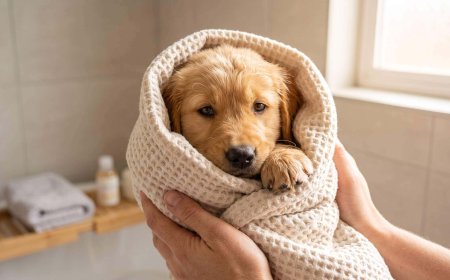
Towel drying with a soft, absorbent towel using a gentle squeezing motion (rather than aggressive rubbing) is best for young puppies. If using a hair dryer, use only the lowest airflow and lowest heat setting, keeping the nozzle at least 12 inches away from their skin.
Related Guides